
📺 视频信息
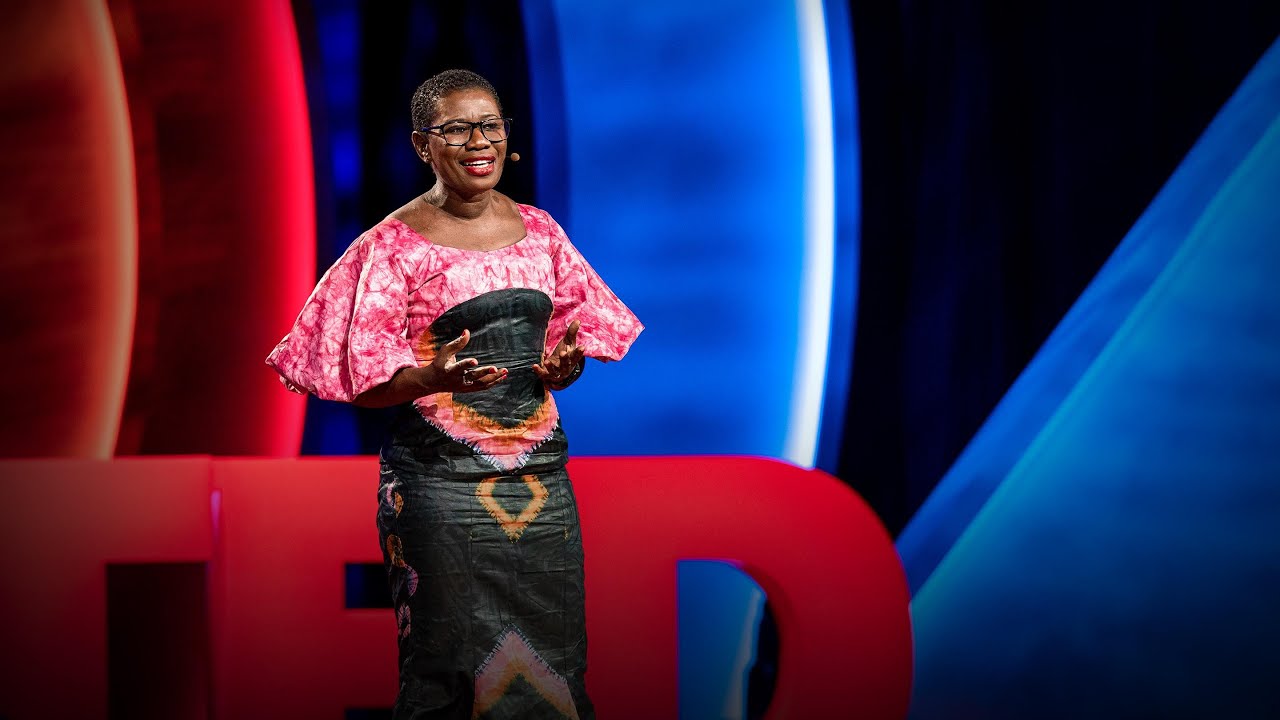
Title: How to turn your dissatisfaction into action
Speaker: Yvonne Aki-Sawyerr
Accent: Sierra Leonean / West African (with British English influence)
Duration: 11:58
🎧 语音现象标注说明 (Legend)
为了让你更直观地看到发音技巧,我使用以下符号进行标注:
| 符号/格式 | 名称 (中/英) | 发音技巧/说明 |
|---|---|---|
| 加粗 (Bold) | 重读单词 (Sentence Stress) |
发音需更响亮、更长。 |
| 斜体 (Italics) | 弱读单词 (Weak forms) |
发音要轻、快,元音常弱化为**/ə/**。 (通常涉及介词、代词) |
| ‿ | 连读 (Linking) |
前一个词的词尾与后一个词的词头滑过,声音不断开。 |
| (t) / (d) / (p) | 失爆 / 不完全爆破 (Stop sounds) |
只做口型不发声,或停顿一下,不将气流送出。 |
| /d/ | 浊化 (Flap T) |
当字母t夹在两个元音之间时,发音类似快速的 d。 |
| // | 意群停顿 (Pause) |
在此处稍微换气或做短暂亦停顿。 |
📜 语音现象标注全文 (Annotated Transcript)
(Legend Review: Bold=Stress; Italics**=Weak forms; ‿=Link; (t)/(d)=Stop; /d/=Flap T; //=Pause)**
Sometimes, // you have ‿ a niggly feeling ‿ about things.
You're not happy // about the way things are going.
You feel frustrated // and ‿ dissatis‿fied.
And so often, // we choose // to live ‿ with ‿ it.
(live with it: v 与 w 连读,th 与 i 连读)
It's the negative // that we tell ‿ our selves // we have to ‿ endure.
And yet // I passionately believe // that we all have the ‿ abili‿ty // to turn that negative feeling // into ‿ a posi‿tive // by ‿ a llowing ‿ our ‿ dissatisfaction // to give birth // to change.
On the sixth ‿ of Janua‿ry // nineteen ninety-nine, // I was working ‿ in London // when the news channels // began to report // the rebel ‿ invasion // of my hometown, // Freetown, // Sierra Leone.
(sixth of: th 与 o 弱读连读)
Thousands ‿ of people // lost their lives, // and there were bodies // litte‿ring the streets ‿ of Freetown.
My husband's // elderly aunt // was burnt ‿ a live.
And I thought ‿ of my own // two-year-old // as I saw ima‿ges // of little children // with ampu‿ta‿ted limbs.
Colleagues said to me, // "How could we help?"
I didn(t) know.
(didn't know: t 失爆)
So I began // to call the telephone numbers // that came ‿ up ‿ on my screen // as ‿ international aid ‿ agen‿cies // started to make ‿ a ppeals // to raise money // to ‿ a ddress the trage‿dy.
(up on my: p 与 o 连读)
The vagueness // of those telephone ‿ con‿versations // disappointed me.
It felt ‿ like the people // who were raising the money // seemed so far ‿ removed // from the crisis, // and ‿ un‿derstanda‿bly so.
But I wasn(t) satis‿fied.
And I wasn(t) convinced // that the ‿ interventions // they would ‿ eventual‿ly // imple‿ment // would actual‿ly have // the level ‿ of impact // that was so clearly needed.
There were butter‿flies ‿ in my stomach // for days // as I continued to watch // the horrors ‿ unfold // on tele‿vi‿sion.
And I continuous‿ly asked ‿ my self, // "What could I be doing? // What should I be doing?"
What I wanted to do // was to help children // a ffected by the war.
So that's what we did.
(asked myself: d 弱化或与 m 同化)
Myself, // my sister // and some friends // started the Sierra Leone // War Trust for Children // (S L W T).
We decided to focus // on the thousands ‿ of displaced people // that fled the fighting // and were now living // in really poor, // diffi‿cult conditions // in camps // in Freetown.
Our work started // with the Ross Road camp // at the east end ‿ of the city.
Working // with ‿ a local health ‿ orga‿nization, // we ‿ identi‿fied // about ‿ a hundred ‿ and thirty // of the most vulne‿ra‿ble // single mothers // with children // under the age ‿ of five.
Supporting them // by providing business skills, // micro-credit, // whate‿ver they asked ‿ us.
(end of: d 与 o 连读)
Working ‿ in those diffi‿cult conditions, // just getting the basics right, // was no small task.
But our collective sense // of ‿ dissatisfaction // at an unaccepta‿ble status quo // kept ‿ us focused // on getting things done.
(kept us: t 与 u 连读)
Some ‿ of those women // went ‿ on // to open small businesses, // repaid their loans, // and ‿ a llowed // other mothers // and their children // to have the same ‿ opportuni‿ty // they did.
And we, // we kept ‿ on going.
In two thousand ‿ and four, // we opened // an agricultu‿ral training center // for ex-child soldiers.
And when the war was behind ‿ us, // we started ‿ a scholar‿ship program // for disadvantaged girls // who would other‿wise // not be able // to continue ‿ in school.
Today, // Stella, // one ‿ of those girls, // is a bout to quali‿fy // as ‿ a medi‿cal doctor.
It's ‿ a mazing // what ‿ a dose ‿ of ‿ dissatisfaction // can birth.
(as a: z 与 a 连读)
Ten years later, // in twenty fourteen, // Sierra Leone // was struck // by ‿ Ebola.
I was working ‿ in Freetown // at the time // on ‿ a hotel construction project.
On the twenti-fifth ‿ of May, // when the first cases // were ‿ a nnounced.
But I was back ‿ in London // on the thirtieth ‿ of July // when the state ‿ of ‿ emergen‿cy // was ‿ a nnounced.
The same day // that many airlines // stopped their flights // to Sierra Leone.
I remember crying // for hours.
Asking God, // "Why this? // Why us?"
But beyond the tears, // I began to feel ‿ a gain // that profound sense // of ‿ dissatisfaction.
So when, // six months ‿ after // those first cases had been confirmed, // the disease was still spreading rapid‿ly // in Sierra Leone.
And the number ‿ of people // infec‿ted and dying // continued to rise.
My level ‿ of frustra‿tion // and anger // got so much, // that I knew // I could not stay // and watch the crisis // from outside Sierra Leone.
So, // in mid-November, // I said goodbye // to my much loved, // and very ‿ understanding // husband ‿ and children, // and boarded ‿ a rather empty plane // to Freetown.
Freetown // was now the epi‿cen‿ter // of the outbreak.
There were hundreds ‿ of new cases // eve‿ry week.
I spoke to many medi‿cal experts, // epi‿de‿miolo‿gists, // and ordi‿na‿ry people // eve‿ry day.
Eve‿ry‿one // was really scared.
"We won't succeed // until we're talking to people // under the mango tree."
So said Doctor Yoti, // a Ugandan doctor // who worked for W H O.
And who('d) been ‿ involved // in pretty much // eve‿ry ‿ Ebola ‿ outbreak // in Afri‿ca previous‿ly.
He was right.
And yet // there was no plan // to make that happen.
(make that happen: k 与 th 之间有轻微停顿或爆破)
So during ‿ a weekend // in early December, // I developed ‿ a plan // that became known // as the Western Area Surge Plan.
We needed // to talk with people, // not at people.
We needed // to work with the communi‿ty influen‿cers, // so people believed ‿ our message.
We needed to be talking // under the mango tree, // not through loudspea‿kers.
And we needed more beds.
The National ‿ Ebola Response Center, // Nerc, // built ‿ on // and imple‿men‿ted that plan.
And by the third week ‿ of Janua‿ry, // the number ‿ of cases // had fallen dramati‿cal‿ly.
I was asked to serve // as the new Director ‿ of Planning // for Nerc, // which took me right ‿ a cross the country.
Trying to stay ‿ a head ‿ of the outbreak, // but also follow‿ing ‿ it // to remote villa‿ges // in the provin‿ces // as well as to urban slum communi‿ties.
On one ‿ occasion, // I got ‿ out ‿ of my car // to call for help // for ‿ a man who('d) collapsed // on the road.
I accidental‿ly stepped ‿ in liquid // that was coming down the road // from where he lay.
I rushed to my parents' house, // washed my feet // in chlorine.
I'll never forget // waiting for that man's test results.
As I constant‿ly checked my tempe‿ra‿ture // then, // and through out the outbreak.
The ‿ Ebola fight // was proba‿bly the most challen‿ging, // but rewarding ‿ experience // of my life.
And I'm really grateful // for the ‿ dissatisfaction // that opened ‿ up the space // for me to serve.
Dissatisfaction // can be ‿ a constant presence // in the background, // or it can be sudden, // triggered by ‿ events.
Sometimes it's both.
With my hometown, // that's the way it was.
For years, // our city had changed.
And it had caused me // great pain.
I remember childhood, // growing ‿ up, // climbing trees, // picking mangoes // and plums // on the ‿ u‿niversi‿ty campus // where my father was ‿ a lectu‿rer.
Went fishing // in the streams // deep ‿ in the Botani‿cal Gardens.
The hillsides ‿ a round Freetown // were covered // with lush green // vegetation.
And the beaches // were clean // and prestine.
The doubling ‿ of the population // of Freetown // in the years that followed the civil war, // and the lack ‿ of planning // and building control, // resulted ‿ in massive // deforestation.
The trees, // the natural beauty // were destroyed // as space was made // for new communi‿ties, // formal ‿ and ‿ infor‿mal, // and for the cutting down ‿ of firewood.
I was deeply troubled // and ‿ dissatis‿fied.
It wasn(t) just the destruction // of the trees // and the hillside // that bothered me.
It was also // the impact ‿ of people // as infra‿struc‿ture failed to keep ‿ up // with the growth ‿ of the population.
No sanitation systems to speak ‿ of.
A dirty city // with typhoid, // malaria, // and dysen‿te‿ry.
I didn(t) know the statistics // at the time, // but it turned ‿ out // that by twenty seventeen, // only six percent // of liquid waste // and twenty-one percent // of solid waste // was being collected.
The rest // was right there with ‿ us // in backyards, // in fields, // rivers, // and deposi‿ted // in the sea.
The steps to ‿ a ddress // that deep sense ‿ of anger // and frustra‿tion I felt // didn(t) ‿ unfold // magi‿cal‿ly // or clearly.
That's not how // the power ‿ of ‿ dissatisfaction // works.
It works // when you know // that things can be done better.
And it works // when you decide // to take the risks // to bring ‿ a bout that change.
And so it was // that in twenty seventeen, // I ended ‿ up // running for mayor.
Because I knew // things could be better.
It seemed // the people ‿ a greed with me, // be cause I won the ‿ election.
Today, // we are imple‿men‿ting // an ‿ ambitious plan // to transform ‿ our city.
And when I say "we", // what gets me really ‿ excited // is that I mean // the whole Freetown communi‿ty.
Whether it's being part // of competitions // like rewarding the neighbor‿hood // that makes the most ‿ improvement // in ove‿rall cleanli‿ness, // or whether it's our programs // that are leading // and joining people // and waste collectors // through ‿ our apps.
In Freetown today, // it's ‿ a much cleaner city.
And those trees // that we were so well known for, // we planted // twenty-three thousand ‿ of them // last rainy season.
And in twenty twenty, // we plan to plant // a million trees // as part ‿ of our // Freetown the Treetown campaign.
Sometimes, // sometimes, // we have ‿ a niggly feeling ‿ about things.
We're not happy // about the way things are going.
We feel dissatis‿fied // and we feel frustrated.
We can change that negative // into ‿ a posi‿tive.
If you believe // that things can be better, // then you have the option // to do something // rather than // to do nothing.
The scale // and circum‿stan‿ces // of our situa‿tions // will differ.
But for each ‿ of ‿ us, // we all have // one thing ‿ in common.
We can take risks // to make ‿ a diffe‿rence.
And I will close // in saying: // step out, // take ‿ a risk.
If we can ‿ unite // behind the power ‿ of ‿ dissatisfaction, // the world will be // a better place.
Thank you.
💡 高级词汇与地道表达 (Vocabulary & Expressions)
| 词汇/表达 | 词性 & 音标 | 释义 (English definition) | 例句 & 搭配 |
|---|---|---|---|
| Niggly | [adj.] /ˈnɪɡ.li/ | (Informal) causing slight but persistent annoyance, discomfort, or anxiety. (BrE mostly) | *Example:*I had aniggly feelingthat I had forgotten something. **搭配:**a niggly injury; a niggly doubt. |
| Status quo | [n.] /ˌsteɪ.təs ˈkwoʊ/ | the existing state of affairs, especially regarding social or political issues. | *Example:*Her dissatisfaction at the unacceptablestatus quodrove her to act. **搭配:**maintain the status quo; challenge the status quo. |
| Epidemiologist | [n.] /ˌep.ə.diː.miˈɒl.ə.dʒɪst/ | an expert who studies diseases and how they spread. | *Example:*She spoke to manyepidemiologistsduring the outbreak to understand the virus. |
| Epicenter | [n.] /ˈep.ə.sen.tər/ | the central point of something, typically a difficult or unpleasant situation. | *Example:*Freetown was theepicenterof the Ebola outbreak. **搭配:**epicenter of the earthquake; epicenter of the crisis. |
| Pristine | [adj.] /ˈprɪs.tiːn/ | in its original condition; unspoiled; clean and fresh. | *Example:*The beaches used to be clean andpristinebefore the population boom. **搭配:**pristine condition; pristine beaches. |
| Deforestation | [n.] /diːˌfɒr.ɪˈsteɪ.ʃən/ | the action of clearing a wide area of trees. | *Example:*Rapid urban growth resulted in massivedeforestation. **搭配:**combat deforestation; cause deforestation. |
| Sanitation | [n.] /ˌsæn.ɪˈteɪ.ʃən/ | conditions relating to public health, especially the provision of clean drinking water and adequate sewage disposal. | *Example:*There were nosanitationsystems to speak of in the slums. **搭配:**poor sanitation; improve sanitation. |
| Dysentery | [n.] /ˈdɪs.ən.ter.i/ | infection of the intestines resulting in severe diarrhea. | *Example:*A dirty city often struggles with typhoid anddysentery. |
| Surge | [n./v.] /sɜːdʒ/ | a sudden powerful forward or upward movement. (Here used as a rapid increase in effort/resources). | *Example:*The Western AreaSurgePlan was designed to stop the virus rapidly. **搭配:**power surge; surge in popularity. |
| Under the mango tree | [Phrase] | (Metaphorical) Meeting people where they are; informal, grassroots communication. | *Example:*We need to talk to peopleunder the mango tree, not just through official channels. |
🗣️ 练习建议 (Tips)
- Sentiment & Tone (情感与语调):
- Yvonne 的演讲非常注重情感的传递。注意她在说到 "dissatisfaction" (不满足/不满) 和 "frustration" (挫败感) 时的重音和停顿,她不是在抱怨,而是在强调这是一种动力 (fuel)。
- 在 Part 1 描述战争和 Ebola 惨状时,语速较慢,语调低沉;在 Part 2 讲到 "Freetown the Treetown" 和当选市长后的行动时,语调明显上扬,充满希望。
- Articulation of 'T' (T 的发音):
- 演讲者来自塞拉利昂,受英式英语影响较深,但也有西非英语的特点。你会发现她的 T 音发得比典型的美式英语更清晰、更脆(Crisp T),例如在 water, better, status 等词中,她可能不会完全使用美式的 Flap T (浊化),而是保留轻微的爆破音。模仿时可以尝试让 T 音更清晰一些,增加庄重感。
- Rhythm (节奏):
- 她经常使用排比结构 (Parallelism),例如 "We needed to talk with people, not at people."。在练习这种句子时,要重读对比的介词 (with vs at),以强调观念的转变。
- Key Phrase Practice (金句练习):
- 试着背诵并模仿最后一段:"If we can unite behind the power of dissatisfaction, the world will be a better place." 注意 unite 后的停顿,以及 better place 的坚定语气。