
📺 视频信息
Title: It's time for the law to protect victims of gender violence (是时候让法律保护性别暴力的受害者了)
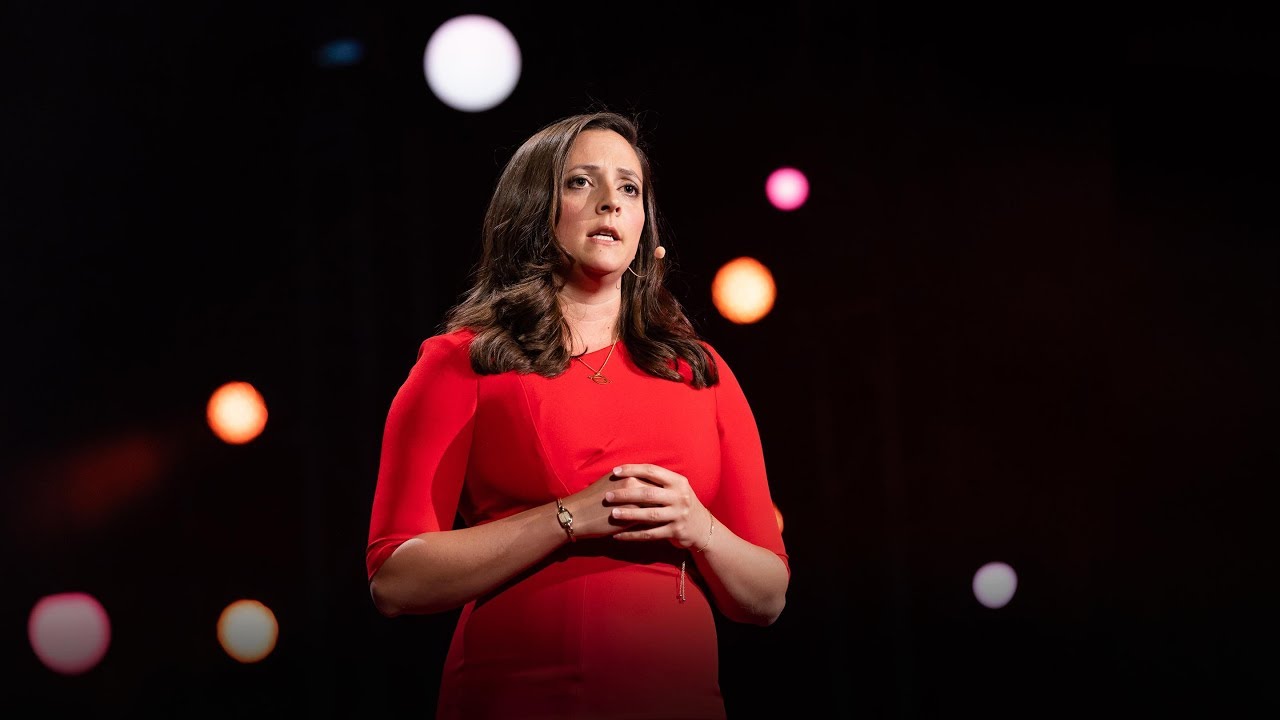
Speaker: Laura L. Dunn
Accent: General American (Rhetorical/Legal style)
Duration: 06:12
🎧 语音现象标注说明 (Legend)
为了让你更直观地看到发音技巧,我使用以下符号进行标注:
| 符号/格式 | 名称 (中/英) | 发音技巧/说明 |
|---|---|---|
| 加粗 (Bold) | 重读单词 (Sentence Stress) |
发音需更响亮、更长。 |
| 斜体 (Italics) | 弱读单词 (Weak forms) |
发音要轻、快,元音常弱化为 /ə/ 。 (通常涉及介词、代词) |
| ‿ | 连读 (Linking) |
前一个词的词尾与后一个词的词头滑过,声音不断开。 |
| (t) / (d) / (p) | 失爆 / 不完全爆破 (Stop sounds) |
只做口型不发声,或停顿一下,不将气流送出。 |
| /d/ | 浊化 (Flap T) |
当字母t 夹在两个元音之间时,发音类似快速的 d。 |
| // | 意群停顿 (Pause) |
在此处稍微换气或做短暂亦停顿。 |
📜 语音现象标注全文 (Annotated Transcript)
(Legend Review: Bold=Stress; Italics=Weak forms; ‿=Link; (t)/(d)=Stop; /d/=Flap T; //=Pause)
Throughout the United States, // there is growing social ‿ awareness // that sexual violence // and harassment // are far too common ‿ occurrences // within our various ‿ institutions.
Occurrences // often // without any ‿ accountability.
(without any t 浊化)
As ‿ a result, // the Me Too movement // is ‿ upon ‿ us // and survivors everywhere // are speaking out // to demand change.
Students have rallied // against sexual ‿ assault ‿ on campus, // service members // have demanded Congress // reform the military.
And workers // ranging from Hollywood stars // to janitorial staff // have called out sexual harassment // in the workplace.
(called out d 连读)
This // is ‿ a tipping point.
This // is when ‿ a social movement // can create lasting legal change.
But only // if we switch tactics.
(tactics c 失爆)
Instead ‿ of going // by institution // by institution, // fighting for reform, // it's time // to go to the Constitution.
As ‿ it stands, // the U S Constitution // denies fundamental protections // to victims ‿ of gender violence // such ‿ as sexual ‿ assault, // intimate partner violence // and stalking.
Specifically, // the fourteenth ‿ Amendment ‿ of the Constitution, // which prohibits state governments // from ‿ abusing ‿ its citizens, // does not require state governments // to intervene // when private parties // abuse ‿ its citizens.
(does not t 失爆; private t 失爆)
So what does that mean // in real life?
That means // that when ‿ a woman calls the police // from her home, // afraid // that an ‿ intruder // may ‿ attack ‿ her, // she // is not // entitled to the state's protection.
(attack her k 与 h 击穿连读)
Not only // can the police fail to respond, // but she will be left // without any legal remedy // if preventable harm ‿ occurs // as ‿ a result.
How can this be?
It is because the state, // theoretically, // acts ‿ on behalf ‿ of all citizens // collectively, // not any one citizen // individually.
The resulting constitutional flaw // directly contradicts // international law, // which requires nation states // to intervene // and protect citizens // against gender violence // by private parties // as ‿ a human right.
(contradicts t 失爆; protect t 失爆)
Instead ‿ of requiring intervention, // our Constitution leaves discretion.
Discretion that states have used // to discriminate systemically, // to deny countless victims // any remedy.
(countless t 失爆)
Unlike // what you may have seen // on Law and Order S V U, // justice is rare // for victims ‿ of gender violence.
And even in those rare cases // where law ‿ enforcement has chosen to act, // victims have no rights // during the resulting criminal process.
(law enforcement w 与 e 连读)
You see // victims are not parties // in ‿ a criminal case.
Rather they are witnesses, // their bodies // evidence.
The prosecution // does not represent // the interests ‿ of ‿ a victim.
Rather the prosecution // represents the interests ‿ of the state.
(of a v与a连读)
And the state has the discretion // to dismiss criminal charges, // enter lax plea deals, // and otherwise remove // a victim's voice // from the process.
Because ‿ again, // a state // theoretically // represents the interests ‿ of all citizens collectively, // and not any one citizen // individually.
Despite this constitutional flaw, // some victims ‿ of gender violence // have found protections // under federal civil rights statutes // such ‿ as Title Nine.
(Title Nine l 浊化, 连读)
Title Nine is not just ‿ about sports.
Rather // it prohibits all forms ‿ of sex discrimination // including sexual violence // and harassment // within ‿ educational programs // that ‿ accept federal funding.
(just about t 失爆; that accept t 浊化)
While ‿ initially targeting // sex discrimination // within ‿ admissions, // Title Nine has actually ‿ evolved // over time.
To require ‿ educational ‿ institutions // to intervene // and ‿ address gender violence // when committed by certain parties.
Such ‿ as when teachers, // students // or campus visitors // commit sexual ‿ assault // or harassment.
(sexual assault l与a 连读)
So what this means // is that through Title Nine, // those who seek access // to ‿ education // are protected // against gender violence // in ‿ a way // that otherwise does not ‿ exist // under the law.
(not exist t 浊化)
It is Title Nine // that requires ‿ educational ‿ institutions // to take reports ‿ of gender violence // seriously // or to suffer liability**.
And through campus level proceedings, // Title Nine goes so far // as to give victims // equitable rights // during the campus process.
Which means // that victims can represent // their own interests // during proceedings // rather than relying // on ‿ educational ‿ institutions // to do so.
(on educational n与e 连读)
And that's really ‿ important.
Because ‿ educational ‿ institutions // have historically swept // gender violence // under the rug // much like our criminal justice system // does today.
So while civil rights protect some victims, // we should want to protect all victims.
(want to t 失爆, 弱读为 wanna)
Instead ‿ of going institution // by institution // fighting for reform // on campus, // in the military, // in the workplace, // it's time // to go to the Constitution // and pass the Equal Rights ‿ Amendment.
Originally proposed // in nineteen twenty three, // the Equal Rights ‿ Amendment // would guarantee // gender ‿ equality // under the law.
And much like Title Nine // on campus, // that constitutional ‿ amendment // could require states // to intervene // and ‿ address gender violence // as ‿ a prohibited form // of sex discrimination.
(gender equality r与e连读)
While the Equal Rights ‿ Amendment // did not pass // in the nineteen seventies, // it actually came // within three states ‿ of doing ‿ so.
And within the last year, // at least one ‿ of those states // has ratified the ‿ amendment.
Because we live // in different political times.
(at least t 失爆)
From the Women's March // to the Me Too movement, // we have // the growing political will ‿ of the people // necessary // to create lasting legal change.
So as ‿ a victims' rights ‿ attorney // fighting // to increase the prospect ‿ of justice // for survivors // across the country, // and as ‿ a survivor myself.
I'm not here // to say time's up.
I'm here // to say it's time.
It's time // for ‿ accountability // to become the norm // after gender violence.
It's time // to pass the Equal Rights ‿ Amendment.
So that our legal system // can become // a system ‿ of justice.
And Me Too // can finally become // No More.
Thank you.
💡 高级词汇与地道表达 (Vocabulary & Expressions)
| 词汇/表达 | 词性 & 音标 | 释义 (English definition) | 例句 & 搭配 |
|---|---|---|---|
| Accountability | [n.] /əˌkaʊn.təˈbɪl.ə.ti/ | The fact of being responsible for what you do and able to give a satisfactory reason for it. | Example: Occurrences often without any accountability. 搭配: hold sb accountable; demand accountability. |
| Statute | [n.] /ˈstætʃ.uːt/ | A law that has been formally approved and written down. | Example: Some victims found protections under federal civil rights statutes. 搭配: federal statutes; under the statute. |
| Discretion | [n.] /dɪˈskreʃ.ən/ | The right or ability to decide something. | Example: The state has the discretion to dismiss criminal charges. 搭配: use one's discretion; at the discretion of. |
| Systemically | [adv.] /sɪˈstem.ɪ.kəl.i/ | Relating to a particular system; often used to describe issues affecting a whole system. | Example: States have used discretion to discriminate systemically. 搭配: systemically racist; systemically flawed. |
| Remedy | [n.] /ˈrem.ə.di/ | A legal method of solving a problem or settling a dispute. | Example: She will be left without any legal remedy. 搭配: seek a remedy; legal remedy. |
| Equitable | [adj.] /ˈek.wɪ.tə.bəl/ | Treating everyone fairly and in the same way. | Example: Title IX gives victims equitable rights. 搭配: equitable distribution; equitable treatment. |
| Ratify | [v.] /ˈræt.ɪ.faɪ/ | To vote on a decision or sign a written agreement to make it official. | Example: At least one of those states has ratified the amendment. 搭配: ratify a treaty; ratify an amendment. |
| Tipping point | [n.] /ˈtɪp.ɪŋ ˌpɔɪnt/ | The time at which a change or an effect cannot be stopped. | Example: This is a tipping point for the movement. 搭配: reach a tipping point. |
| Plea deal | [n.] /ˈpliː ˌdiːl/ | An agreement in a law case where the defendant admits guilt in return for a lighter sentence. | Example: The prosecution may enter lax plea deals. 搭配: cut a plea deal; accept a plea deal. |
🗣️ 练习建议 (Tips)
- Rhetorical Pausing (修辞性停顿): 演讲者是律师,她的语速适中,但在关键法律术语(如 Constitution, 14th Amendment)和情感强烈的词(accountability, justice)前后有明显的停顿。练习时,不要急于读完,要注意这种“留白”带来的力量感。
- Sentence Stress (句子重音): 注意 Not only... but... 句型以及排比句(on campus, in the military, in the workplace)中的重音推进。每一项排比都要比前一项更响亮、更有力。
- Legal Terminology (法律术语): 确保准确发出 statute /ˈstætʃ.uːt/ (注意中间的 ch 音) 和 constitutional /ˌkɑːn.stəˈtuː.ʃə.nəl/ 等长难词的音节。
- Tone Shift (语调转换): 演讲前半段在陈述现状时,语调是严肃、甚至带有压抑愤怒的(Low & Serious);后半段提出解决方案(Title IX, ERA)时,语调变得充满希望和号召力(Rising & Empowering)。尝试模仿这种情绪的变化。