
📺 视频信息
Title: The mood-boosting power of crying (哭泣的情绪治愈力量)
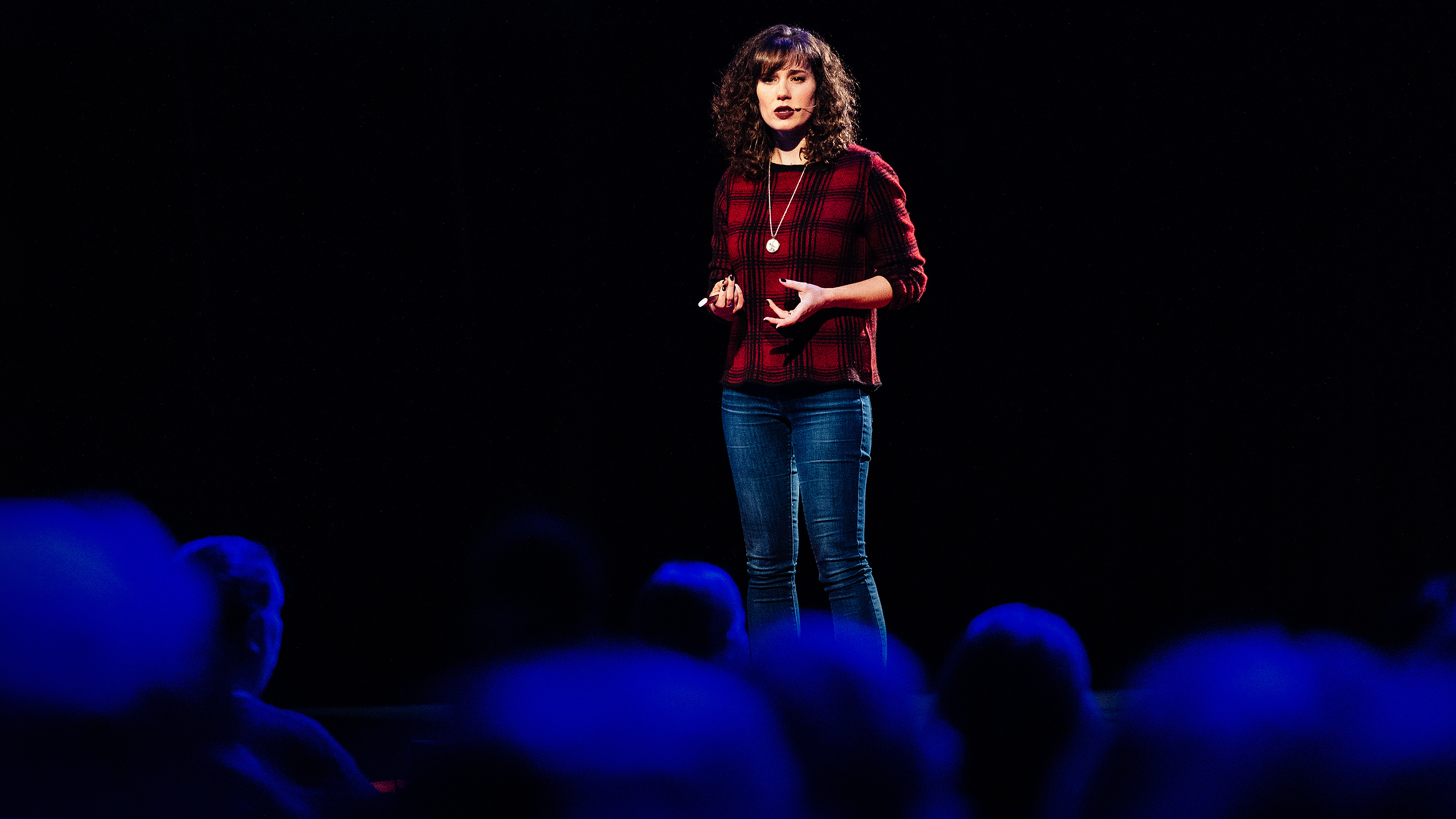
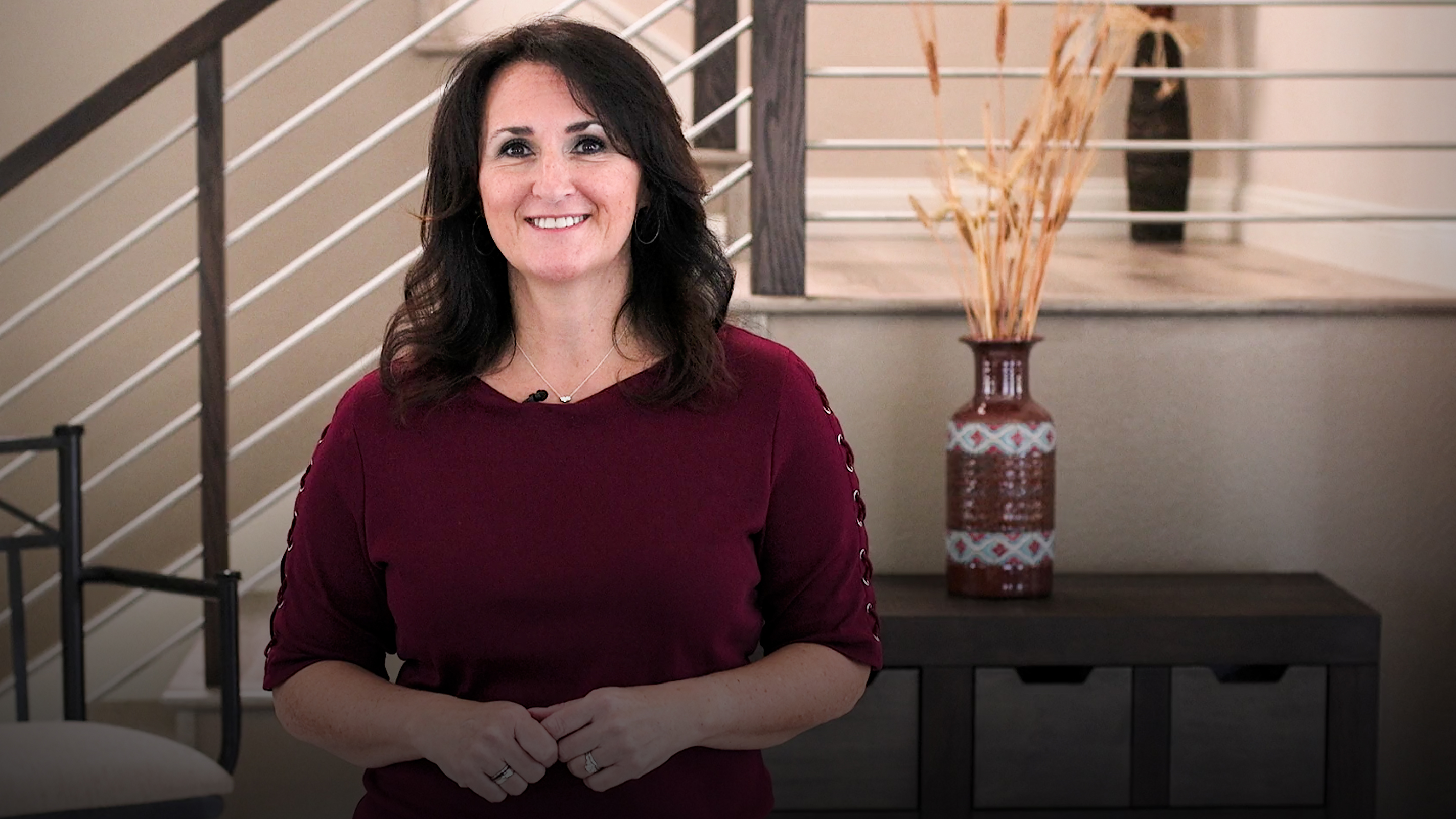
Speaker: Kathy Mendias
Accent: General American (美式通用口音)
Duration: 11:16
🎧 语音现象标注说明 (Legend)
加粗 (Bold):重读单词(Sentence Stress),发音需更响亮、更长。
斜体 (Italics):弱读单词(Weak forms),通常是介词、代词,发音要轻、快,元音常弱化为 /ə/。
‿:连读(Linking),前一个词的词尾与后一个词的词头滑过。
(t) / (d) / (p):失爆/不完全爆破(Stop sounds),只做口型不发声,或停顿一下。
/d/:浊化(Flap T),字母 t 在两个元音之间发音类似快速的 d。
//:意群停顿(Pause),在此处稍微换气。
📜 语音现象标注全文 (Annotated Transcript)
(Legend Review: Bold=Stress; Italics =Weak forms; ‿=Link; (t)/(d)=Stop; /d/=Flap T; //=Pause)
According ‿ to the ‿ American Academy ‿ of ‿ Oph-thal-mology, // we create fifteen to thirty /d/ gallons ‿ of tears ‿ a year.
(tears a year 连读 /tɪrz-ə-jɪr/)
I am what you would call // a high volume producer.
Now // even though we do create less tears ‿ as we age, // I figure by the time I'm eighty /d/, // I will have filled ‿ up forty // average sized bathtubs.
(filled up d与u连读; eighty t浊化)
Now crying ‿ in my early years, // not (t) something I would brag ‿ about.
When I was five, // I thought (t) it was a good ‿ idea // to practice writing /d/ my name // on the side ‿ of the house.
Outside the house.
(good idea d与i连读; writing t浊化)
Mama didn't (t) ‿ agree with me much.
She handed me a toothbrush and said, // "Here, // scrub."
So I did.
I'd sit (t) at the dining room table // for what seemed (d) like an ‿ eternity /d/.
I didn't (t) want (t) ‿ to eat (t) my vegetables.
(want to t省略为wanna; vegetables 重音在首音节,中间e弱化不发音)
You probably know the feeling.
I'd miss all my favorite shows // and cry like crazy.
Crying was always ‿ associated // with something bad.
(always associated s与a连读)
Fortunately, // I grew ‿ up.
I stopped (t) writing /d/ on the walls, // started /d/ eating /d/ my vegetables, // and I entered the wonderful world // of motherhood.
And let (t) me tell you, // crying takes ‿ on // a whole new meaning.
(takes on s与o连读)
I was nine months pregnant, // and I was sitting /d/ on the couch, // looking at the front (t) door // where my bags were packed (t) // waiting /d/ for me // be cause I was hopeful // that today // would be the day.
(sitting, waiting t浊化)
I settle in a little /d/ bit (t) more // and I think (t) to my self, // "You know, // we can put (t) humans into space, // but we can't (t) seem ‿ to figure out // when a baby will be born."
(figure out r与o连读)
And then I feel this pressure // build ‿ up in my chest, // my throat (t) get (t) really tight, // and I just (t) burst // into tears.
(build up d连读; just burst t失爆)
And you know what?
I had no ‿ idea why.
And not (t) knowing why at the time, // well that (t) just (t) got (t) me more ‿ upset.
So I ‿ eventually was just (t) ‿ upset // for being ‿ upset.
(I eventually 元音连读; just upset t连读)
I took a deep breath // and I let (t) it out.
Thought (t) that (t) would help, // but no, // it didn't.
Then, // my brother walks ‿ in // with his smirky grin // and he says to me, // "What's wrong with you?"
(walks in s与i连读)
I said "Nothing, // just (t) leave me ‿ alone."
And he did.
He ran as fast (t) as he could.
And you know what I did // when he left (t)?
I cried ‿ even harder.
(cried even d与e连读)
I was ‿ ashamed // and ‿ embarrassed // just (t) like when I was a kid.
Now lucky for me, // I only had to look ‿ at that (t) bag // sitting /d/ by the front (t) door // for another nine days, // right (t) be fore my ‿ expected date ‿ of delivery.
(date of t浊化并连读)
And finally // my body said it was time.
And after eighteen hours // of feeling my body // try to ‿ expel this little /d/ human // that weighed a bout the size // of a bowling ball.
And hours of pushing so hard // that I thought (t) for sure // this baby was stuck.
(try to expel 元音连读)
With in a heartbeat.
My beautiful /d/ // baby girl Jennifer // entered the world.
And I looked (t) at her // and she cried // and then I just (t) cried.
(beautiful t浊化; looked at k与a连读)
All of that (t) ‿ emotion and pressure // that I had ‿ inside // just (t) seconds be fore // was ‿ immediately replaced // with the most (t) joyous // sense ‿ of relief // that I had ever felt.
(had inside d连读; sense of s与o连读)
And after nine months of crying // over these fears // and ‿ angxieties // and crazy out ‿ of ‿ control hormones // that was instantaneously transformed // into the deepest // most (t) heartfelt // happiest cry // of my life.
(out of control t浊化)
And I had no control.
Those really hard tears, // those happy tears, // those overwhelming joyful tears.
They had nowhere to go // but out.
(but out t浊化)
And it was those tears, // that (t) moment, // that (t) ‿ incredible high, // that (t) ‿ inspired me // to birth three more little /d/ miracles.
And start (t) to help others // have their own.
(start to t连读)
I became a childbirth educator // and I started /d/ a whole new relationship // with tears.
It was early in my thirty /d/ years of teaching.
I had a class // touch my heart // like no ‿ other.
(no other 元音连读)
The topic for the night, // emotions of pregnancy.
Go figure.
And it was ‿ important // for the class to first (t) learn // a bout the ‿ emotional changes // and responses during pregnancy.
And how when we cry, // it can feel like the body's trying // to push ‿ out that (t) ‿ extra ‿ emotion.
(push out sh与o连读)
Almost like it's processing // what it can't (t) hold (d) ‿ inside.
Like an ‿ exhaust (t) port // for ‿ extreme feelings of sadness, // joy, // or even relief // after days, // years, // of ‿ anticipation // of that (t) one magical moment.
(an exhaust n连读)
It can literally feel // like your body // is squeezing out // all that (t) ‿ emotion // in the form of water /d/ // coming from our eyes.
Our tears.
(water t浊化)
Now tears were always ‿ expected // during my classes.
Not (t) mine this time.
The new moms.
And this night (t) // and this class, // it was way different.
I had just (t) finished (t) talking // a bout the ‿ emotional changes of pregnancy // and I went (t) ‿ in // to talk ‿ about // the Couvade Syndrome.
(went in t连读)
Now the word Couvade // comes from a French term, // Couver, // which means // to brood, // similar to birds, // protecting a nest.
Well who better /d/ to protect (t) this nest, // than the ‿ expecting mother's // partner?
Also called a sympathetic pregnancy.
The Couvade syndrome // is a real life phenomenon, // where the non-pregnant partner // can take ‿ on // pregnancy characteristics // like mood swings, // loss of sleep, // weight (t) gain.
(take on k与o连读)
And for some, // a really ‿ intense drive // to do something // new // and ‿ unexpected // like // buy a new sports car // or // start (t) a new hobby // like gourmet cooking.
(unexpercted n与u连读)
The class usually laughs // a little /d/ bit (t) after that (t) // and // that's it.
We end the night.
But it didn't (t) end there.
When I finished (t) my sentence.
This big, // burly // father-to-be // stands ‿ up.
And I thought (t) for sure he was leaving.
(stands up z与u连读)
But ‿ instead // in a really gruff // commanding way he says, // "Alright you guys, // how many of you // have cried // during this thing, // you know, // her pregnancy?"
(But instead t浊化并连读)
I scanned the class // to make sure everybody was ‿ okay.
They were fine, // they were just (t) very ‿ intent // on what was gonna happen next.
(going to 弱读为 gonna)
And then, // one gentleman raises his hand // and says, // "I have."
And then ‿ another, // and the stories // just (t) flowed.
Even this really quiet gal.
She was the fiancee // of one of the ‿ expecting moms.
She looks at her // and she says, // "See? // I told you my crying was normal too."
The class connected.
They validated each ‿ other.
And we all walked (t) ‿ away // with a new respect // for the non-pregnant partners // that (t) night.
(walked away t连读)
For me, // that (t) solidified // my passion to ‿ embrace those tears.
Then, // it got (t) better /d/.
On the last (t) night (t) // of that (t) same six week class, // one of the ‿ expecting moms // came ‿ up to me.
(came up m连读)
She asked (t) to talk to me privately // and I said of course // and we went (t) ‿ into the corner.
And she says, // "I need (d) to thank you // for saving my relationship."
I let (t) her go ‿ on // and she tells me // that her husband was considering leaving her.
Over her mood swings, // out ‿ of ‿ control crying, // and his turmoil // and anger // over this pregnancy.
But he didn't (t) leave.
She went (t) ‿ on to tell me // that they realized now // it's ‿ okay to cry.
And he had told her // that when he cries, // he doesn't (t) feel as angry.
(it's okay s连读)
Wow.
Not (t) only did crying // bring my class together, // it kept (t) that (t) couple together.
And you know his comment a bout anger // was really, really ‿ intriguing to me.
So I looked (t) ‿ around, // did some research, // and sure ‿ enough // Dr. Oren Hasson, // an ‿ evolutionary psychologist.
He had some theories // a bout when tears blur our vision, // it really has the ‿ ability // to sometimes // reduce our ‿ ability // to react (t) to that (t) anger.
(blur our r连读)
But the tears weren't (t) the anger.
They were more like // the release valve.
And though many of us, // we try to keep (t) those tears ‿ inside.
But letting them out, // really may be // the better /d/ move.
(keep those p失爆)
Keeping them ‿ inside // can amplify our feelings // of anger or sadness.
And while we're releasing those tears, // our hormones ‿ inside, // they're on high ‿ alert.
(high alert 连读)
And we know this.
Be cause of Dr. William Frey // a biochemist, // he found // that ‿ inside ‿ of our ‿ emotional tears.
Not (t) our everyday like yawning tears, // but our ‿ emotional tears.
There's high concentrations // of stress hormones.
And leucine ‿ enkephalins // which easier on my tongue // is ‿ endorphins.
(is endorphins z与e连读)
And while // our stress hormones are helping our bodies out.
Our ‿ endorphins, // those feel good chemicals.
They're helping to // act (t) as a pain reliever // to boost (t) our mood.
Now who wouldn't (t) want (t) that (t).
There are two // triggers // for the release of ‿ endorphins // for most (t) of us.
Stress // and pain.
And for a woman giving birth, // ‿ experiencing both // stress and pain?
Endorphins, // they are a gift.
As the labor progresses, // those ‿ endorphins will rise // to help her with a // potentially long labor.
As a result, // the mom is better /d/ able to cope, // and she can feel more ‿ alert // and almost // you phoric // after the birth.
(more alert r连读)
Crying // is just (t) awesome.
I wish there was a bigger word.
Crying offers us an ‿ opportunity // for physical relief, // for intimacy // be tween two ‿ individuals, // and ultimately, // it promotes // physical // and mental well being.
(offers us s与u连读; an opportunity n连读)
And as an ‿ expression // of our most (t) ‿ intense, // in terior, // human ‿ experiences, // there is no need to be ‿ embarrassed, // no need to be ‿ ashamed, // and no need to run ‿ away.
(run away n连读)
We need (d) to have // a healthy relationship // with crying.
And change the way // we view tears.
We see them as ‿ overwhelming // and scary // and confusing.
When they're really beautiful, // soothing, // and reassuring.
They're not (t) to be seen // as some screeching ‿ alarm bell // that something is wrong.
But rather // a natural // functionality // of our ‿ amazing bodies.
(our amazing r连读)
Crying // is as ‿ essential to me // as breathing.
And now, // if I'm caught (t) crying on that (t) couch // by my wonderful husband, // who has had to learn // way more a bout crying // than he ever wanted (t) to.
He doesn't (t) run ‿ away.
(as essential s连读)
He'll ask (t) me // why I'm crying.
And I'll let (t) him know // I just (t) need (d) my release.
He'll take (t) my hand.
And you know what I'll do?
I will let (t) it all out.
(let it all out t浊化+连读 /le-dɪ-dɔ-laʊt/)
And then I'm gonna sink // into that (t) deep // sense ‿ of intimacy // and ‿ extraordinary // sense ‿ of relief.
That (t) only my tears // can bring.
Thank you.
💡 高级词汇与地道表达 (Vocabulary & Expressions)
| 词汇/表达 | 词性 & 音标 | 释义 (English definition) | 例句 & 搭配 |
|---|---|---|---|
| Ophthalmology | [n.] /ˌɑːf.θælˈmɑː.lə.dʒi/ | the scientific study of the eyes and their diseases | *Example:*The American Academy ofOphthalmologystudies eye health. |
| Stymie | [v.] /ˈstaɪ.mi/ | to prevent something from happening | *Example:*Don't let fearstymieyour emotional release. |
| Smirky | [adj.] /ˈsmɝː.ki/ | smiling in a silly or self-satisfied way | *Example:*My brother walked in with asmirkygrin. |
| Expel | [v.] /ɪkˈspel/ | to force something out | *Example:*The body tries toexpelthe baby during labor. |
| Couvade syndrome | [n.] /kuːˈvɑːd ˈsɪn.droʊm/ | a condition where a partner experiences pregnancy symptoms | *Example:*He gained weight during her pregnancy due toCouvade syndrome. |
| Sympathetic pregnancy | [n. phr.] | sharing feelings or symptoms of pregnancy with a partner | *Example:*He developed asympathetic pregnancyand had mood swings too. |
| Burly | [adj.] /ˈbɝː.li/ | (of a man) large and strong; heavy | *Example:*A big,burlyfather-to-be stood up in class. |
| Release valve | [n. phr.] /rɪˈliːs vælv/ | a mechanism to relieve pressure (metaphor for crying) | *Example:*Crying acts as arelease valvefor intense emotions. |
| Euphoric | [adj.] /juːˈfɔːr.ɪk/ | extremely happy and excited | *Example:*She felteuphoricafter the birth of her child. |
| Solidify | [v.] /səˈlɪd.ə.faɪ/ | to make something certain or firm | *Example:*That momentsolidifiedmy passion for teaching. |
| Intimacy | [n.] /ˈɪn.t̬ə.mə.si/ | a situation in which you have a close friendship or sexual relationship | *Example:*Crying together created a deep sense ofintimacy. |
🗣️ 练习建议 (Tips)
- 情感分层 (Emotional Layering):
- 开头 (0:00 - 1:00):语调轻松、幽默(Humorous),讲童年趣事时语速稍快。
- 分娩故事 (1:14 - 3:00):语速放慢,重读 pressure, tight, burst,模仿那种紧张感,然后在 beautiful 处转为极度的温柔和释然。
- 课堂故事 (5:44 - 6:30):模仿那位父亲 burly father 的低沉、命令式语气(Gruff, commanding voice),与演讲者平时的声音形成对比。
- 连读挑战 (Linking Challenge):
- 练习 "let it all out"。这是一个经典的连读组合,要把 t 浊化,听起来像 /le-dɪ-dɔ-laʊt/。
- 注意 "out of control",读作 /aʊ-təv-kən-troʊl/。
- 停顿的艺术 (The Art of the Pause):
- 演讲中有很多 "And then... [Pause]... one gentleman..."。这里的停顿是为了制造悬念。练习时,不要急着读下一个词,留出 1-2 秒的空白,让听众期待。