
📺 视频信息
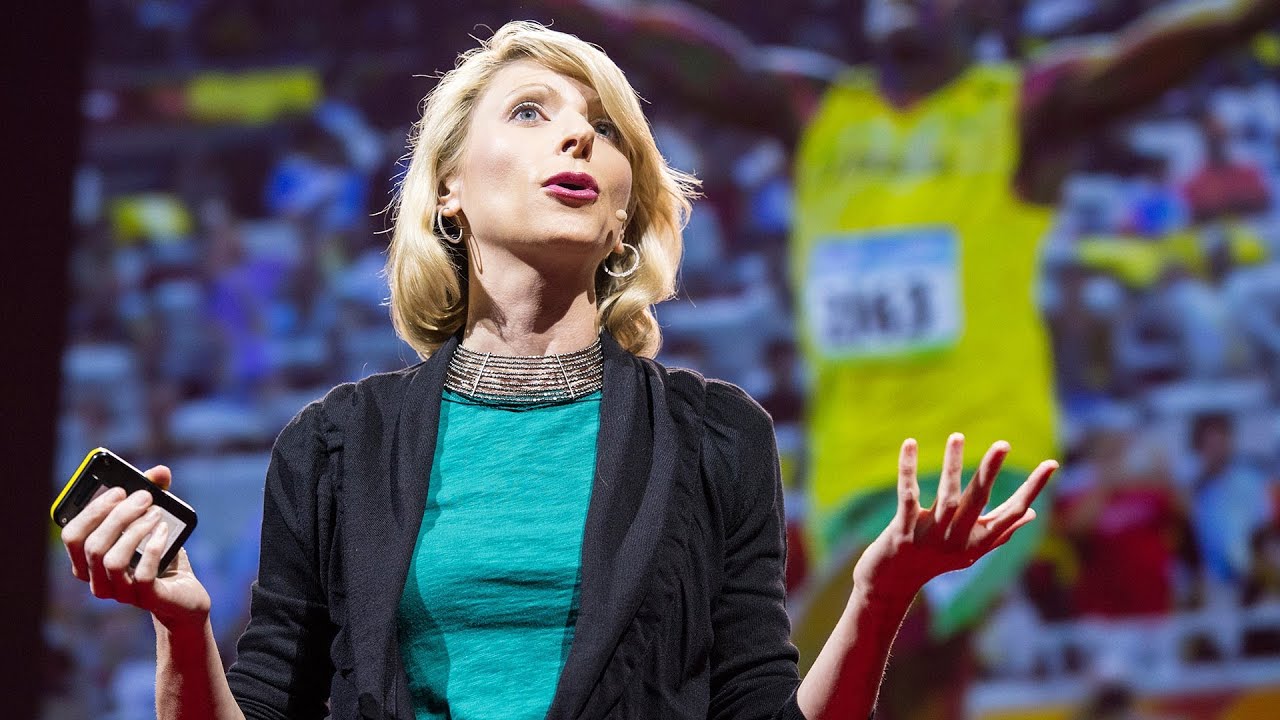
Title: Your Body Language May Shape Who You Are (肢体语言塑造你自己)
Speaker: Amy Cuddy
Accent: General American
Duration: 21:02
加粗 (Bold):重读单词(Sentence Stress),发音需更响亮、更长。
斜体 (Italics):弱读单词(Weak forms),通常是介词、代词,发音要轻、快,元音常弱化为 /ə/。
‿:连读(Linking),前一个词的词尾与后一个词的词头滑过。
(t) / (d) / (p):失爆/不完全爆破(Stop sounds),只做口型不发声,或停顿一下。
/d/:浊化(Flap T),字母 t 在两个元音之间发音类似快速的 d。
//:意群停顿(Pause),在此处稍微换气。
📜 语音现象标注全文 (Annotated Transcript)
(Legend Review: Bold=Stress; Italics =Weak forms; ‿=Link; (t)/(d)=Stop; /d/=Flap T; //=Pause)
So // I want ‿ to start // by offering ‿ you // a free // no-tech life hack.
(want to 弱读为 wanna)
And all it requires ‿ of ‿ you // is this: // that you change your posture // for two minutes.
But before I give ‿ it ‿ away, // I want ‿ to ask ‿ you // to right now // do ‿ a little audit ‿ of your body // and what you're doing // with your body.
(give it away v 连读 i, t 浊化连读 a; little t 浊化)
So // how many ‿ of ‿ you // are sort ‿ of making ‿ yourselves smaller?
(sort of 弱读为 sorta; making yourselves 连读)
Maybe you're hunching, // crossing ‿ your legs, // maybe wrapping ‿ your ankles.
Sometimes // we hold on // to our arms // like this.
Sometimes // we spread out. // I see ‿ you.
So // I want ‿ you // to pay ‿ attention // to what you're doing // right now.
We're going ‿ to come back ‿ to that // in ‿ a few minutes.
(going to 弱读为 gonna; back to k 失爆)
And I'm hoping // that if you sort ‿ of learn // to tweak this ‿ a little bit, // it could significantly change // the way your life ‿ unfolds.
So, // we're really fascinated // with body language, // and we're particularly interested // in other people's body language.
You know, // we're interested ‿ in, // like, // you know, // an awkward ‿ interaction, // or a smile, // or a contemptuous glance, // or maybe a very awkward wink, // or maybe even something // like a handshake.
(interaction t 弱化; handshake d 失爆)
So // a handshake, // or the lack ‿ of ‿ a handshake, // can have ‿ us talking // for weeks ‿ and weeks ‿ and weeks.
Even the B B C // and the New York Times.
So // obviously // when we think ‿ about // non-verbal behavior, // or body language -- // but we call ‿ it non-verbals // as social scientists -- // it's language, // so we think ‿ about communication.
(think about k 连读 a; call it l 连读 i)
When we think ‿ about communication, // we think ‿ about ‿ interactions.
So // what is your body language // communicating ‿ to me? // What's mine // communicating ‿ to you?
And there's a lot ‿ of reason // to believe // that this is // a valid way // to look ‿ at this.
So social scientists // have spent ‿ a lot ‿ of time // looking ‿ at the ‿ effects // of our body language, // or other people's body language, // on judgments.
(lot of t 浊化 /d/; look at k 连读 a)
And we make sweeping judgments // and inferences // from body language.
And those judgments // can predict // really meaningful life outcomes // like who we hire // or promote, // or who we ask ‿ out // on a date.
For ‿ example, // Nalini Ambady, // a researcher ‿ at Tufts University, // shows that // when people watch // thirty-second soundless clips // of real physician-patient ‿ interactions, // their judgments // of the physician's niceness // predict // whether ‿ or not // that physician // will be sued.
(whether or r 连读 o)
So it doesn't have ‿ to do // so much // with whether ‿ or not // that physician // was ‿ incompetent, // but do we like that person // and how they ‿ interacted.
Even more dramatic, // Alex Todorov ‿ at Princeton // has shown ‿ us // that judgments // of political candidates' faces // in just one second // predict seventy percent // of U.S. Senate // and gubernatorial race outcomes.
(shown us n 连读 u; just one t 失爆)
So, // when we think ‿ of non-verbals, // we think ‿ of how we judge others, // how they judge us, // and what the outcomes ‿ are.
We tend ‿ to forget, // though, // the other audience // that's influenced // by our non-verbals, // and that's // ourselves.
We are also influenced // by our non-verbals, // our thoughts // and our feelings // and our physiology.
So // what non-verbals // am I talking ‿ about?
I'm a social psychologist. // I study prejudice, // and I teach // at a competitive business school, // so it was ‿ inevitable // that I would become interested // in power dynamics.
I became ‿ especially interested // in non-verbal ‿ expressions // of power // and dominance.
And what are // non-verbal ‿ expressions // of power // and dominance?
Well, // this is what they are.
In the animal kingdom, // they are ‿ about ‿ expanding.
So you make ‿ yourself big, // you stretch ‿ out, // you take ‿ up space, // you're basically opening ‿ up.
It's ‿ about opening ‿ up.
And this is true // across the animal kingdom. // It's not just limited ‿ to primates.
And humans // do the same thing.
(make yourself k 连读 y; take up k 连读 u; opening up ng 连读 u)
So they do this // both when they have power // sort ‿ of chronically, // and also // when they're feeling powerful // in the moment.
And this one is ‿ especially interesting // because it really shows ‿ us // how universal // and old // these ‿ expressions ‿ of power are.
This ‿ expression, // which is known ‿ as pride, // Jessica Tracy has studied.
She shows // that people who are born // with sight // and people who are congenitally blind // do this // when they win // at a physical competition.
So when they cross the finish line // and they've won, // it doesn't matter // if they've never seen anyone do ‿ it. // They do this.
So the arms ‿ up // in the V, // the chin is slightly lifted.
(arms up s 连读 u)
What do we do // when we feel powerless?
We do ‿ exactly // the opposite.
We close ‿ up. // We wrap ‿ ourselves ‿ up. // We make ‿ ourselves small.
We don't want ‿ to bump ‿ into the person // next ‿ to ‿ us.
So ‿ again, // both animals // and humans // do the same thing.
(exacty the t 失爆; close up s 连读 u; next to t 失爆)
So, // I'm watching this behavior // in the classroom, // and what do I notice?
I notice that // M B A students // really ‿ exhibit // the full range // of power non-verbals.
So you have people // who are like caricatures ‿ of alphas, // really coming ‿ into the room, // they get right ‿ into the middle ‿ of the room // before class even starts, // like they really want ‿ to occupy space.
When they sit down, // they're sort ‿ of spread ‿ out. // They raise their hands // like this.
(coming into ng 连读 i; right into t 浊化连读 i)
You have other people // who are virtually collapsing // when they come ‿ in.
As soon ‿ as they come ‿ in, // you see ‿ it. // You see ‿ it on their faces // and their bodies, // and they sit ‿ in their chair // and they make ‿ ourselves tiny, // and they go // like this // when they raise their hand.
(come in m 连读 i; sit in t 浊化)
So I started ‿ to wonder, // you know, // okay, // so you have these people // coming ‿ in like this, // and they're participating.
Is it possible // that we could get people // to fake ‿ it // and would it lead them // to participate more?
(fake it k 连读 i)
So my main collaborator // Dana Carney, // who's at Berkeley, // and I really wanted ‿ to know, // can you fake ‿ it // till you make ‿ it?
Like, // can you do this // just for a little while // and actually ‿ experience // a behavioral outcome // that makes ‿ you seem // more powerful?
We know // that our minds change our bodies, // but is it also true // that our bodies // change our minds?
And when I say minds, // in the case ‿ of the powerful, // what am I talking ‿ about?
So I'm talking ‿ about thoughts // and feelings // and the sort ‿ of physiological things // that make ‿ up our thoughts // and feelings, // and in my case, // that's hormones.
I look ‿ at hormones.
(look at k 连读 a)
So what do the minds ‿ of the powerful // versus the powerless // look like?
So powerful people // tend ‿ to be, // not surprisingly, // more ‿ assertive // and more confident, // more ‿ optimistic.
They actually feel // that they're going ‿ to win // even at games ‿ of chance.
They also tend ‿ to be able // to think // more ‿ abstractly.
(more assertive r 连读 a; more optimistic r 连读 o)
Physiologically**, // there also are differences // on two key hormones: // testosterone, // which is the dominance hormone, // and cortisol, // which is the stress hormone.
So what we find // is that // high-power alpha males // in primate hierarchies // have high testosterone** // and low cortisol, // and powerful // and ‿ effective leaders // also have high testosterone** // and low cortisol.
(and effective d 连读 e)
So we decided // to bring people // into the lab // and run ‿ a little ‿ experiment.
And these people ‿ adopted // for two minutes // either // high-power poses // or low-power poses.
And I'm just gonna show ‿ you // five ‿ of the poses, // although they took ‿ on // only two.
So here's one. // A couple more. // This one has been dubbed // the "Wonder Woman" // by the media.
Here are the low-power poses. // So you're folding ‿ up, // you're making ‿ yourself small.
This one is very low-power. // When you're touching ‿ your neck, // you're really kind ‿ of protecting ‿ yourself.
(folding up ng 连读 u)
We decided // that the one // that most people could relate ‿ to // because most people had been through // was the job ‿ interview.
So we published these findings, // and the media are all ‿ over ‿ it, // and they say, // "Okay, // so this is what you do // when you go ‿ in // for the job ‿ interview, // right?"
(go in 连读)
You know, // so we were ‿ of course horrified, // and said, // "Oh my god, no, no, no, // that's not what we meant // at all."
This is not ‿ about you // talking ‿ to other people. // It's you // talking ‿ to yourself.
What do you do // before you go ‿ into // a job ‿ interview?
You do this. // You're sitting down. // You're looking ‿ at your iPhone // or your Android, // not trying ‿ to leave anyone ‿ out.
You are // looking ‿ at your notes, // you're hunching ‿ up, // making ‿ yourself small.
When really // what you should be doing // maybe // is this, // like in the bathroom, // right?
Do that. // Find two minutes.
So I want ‿ to tell ‿ you // a little story // about being ‿ an ‿ impostor // and feeling like // I'm not supposed ‿ to be here.
When I was nineteen, // I was in a really bad car accident.
I was thrown out ‿ of a car, // rolled several times.
I woke ‿ up // in a head ‿ injury rehab ward, // and I had been withdrawn // from college, // and I learned // that my I Q // had dropped // by two standard deviations, // which was // very traumatic.
I knew my I Q // because I had ‿ identified // with being smart, // and I had been called gifted // as a child.
So I'm taken ‿ out ‿ of college, // I keep trying ‿ to go back.
They say, // "You're not gonna finish college. // There are other things // for you to do, // but that's not gonna work ‿ out // for you."
So I felt // ‿ intirely powerless. // I worked // and worked // and worked, // and I got lucky // and worked, // and got lucky // and worked.
‿ Eventually // I graduated // from college.
It took ‿ me four years longer // than my peers.
And I convinced someone, // my angel advisor, // Susan Fiske, // to take ‿ me on, // and so I ended ‿ up // at Princeton, // and I was like, // I am not supposed ‿ to be here. // I am an ‿ imposter.
And the night before my first year talk, // and the first year talk ‿ at Princeton // is a twenty-minute talk // to twenty people. // That's it.
I was so ‿ afraid // of being found out // the next day // that I called her // and said, // "I'm quitting."
She was like, // "You are not quitting, // because I took ‿ a gamble ‿ on you, // and you're staying.
You're gonna stay, // and this is what you're gonna do.
You are gonna fake ‿ it.
You're gonna do // every talk // that you ever get asked // to do.
You're just gonna do ‿ it // and do ‿ it // and do ‿ it, // even if you're terrified // and just paralyzed // and having ‿ an out ‿ of body ‿ experience, // until you have this moment // where you say, // 'Oh my gosh, // I'm doing ‿ it. // Like, I have become this. // I am actually doing this.'"
So that's what I did.
I did ‿ it, // and did ‿ it... // And I realized // that she had not just faked ‿ it // till she made ‿ it, // she had actually faked ‿ it // till she became ‿ it.
So I want ‿ to say ‿ to you, // don't fake ‿ it // till you make ‿ it. // Fake ‿ it // till you become ‿ it.
Do ‿ it ‿ enough // until you actually become ‿ it // and ‿ internalize.
The last thing // I want ‿ to leave ‿ you with // is this.
Tiny tweaks // can lead // to big changes.
So, this is two minutes. // Two minutes, // two minutes, // two minutes.
Before you go ‿ into the next // stressful ‿ evaluative situation, // for two minutes, // try doing this, // in the elevator, // in a bathroom stall, // at your desk // behind closed doors.
That's what you want ‿ to do.
Configure your brain // to cope the best // in that situation.
Get your testosterone ‿ up. // Get your cortisol down.
Don't leave that situation // feeling like, // "Oh, I didn't show them // who I am."
Leave that situation // feeling like, // "Oh, I really feel // like I got ‿ to say // who I am // and show // who I am."
So I want ‿ to ask ‿ you first, // you know, // both // to try power posing, // and also // I want ‿ to ask ‿ you // to share the science, // because this is simple.
(want to 弱读为 wanna; share the science s 和 th 顺滑过渡)
I don't have ego // ‿ involved ‿ in this.
(involved in d 连读 i)
Give ‿ it ‿ away. // Share ‿ it with people, // because the people // who can use ‿ it the most // are the ones // with no resources // and no technology // and no status // and no power.
(Give it away v 连读 i, t 浊化连读 a; Share it r 连读 i; use it z 连读 i)
Give ‿ it ‿ to them // because they can do ‿ it // in private.
(Give it to them t 这里的 t 可以视为失爆,直接连接 to)
They need their bodies, // privacy // and two minutes, // and it can significantly change // the outcomes ‿ of their life.
(outcomes of z 连读 ə)
Thank ‿ you.
So I want ‿ to ask ‿ you first, // you know, // both // to try power posing, // and also // I want ‿ to ask ‿ you // to share the science, // because this is simple.(want to 弱读为 wanna; share the science s 和 th 顺滑过渡)
I don't have ego // ‿ involved ‿ in this.(involved in d 连读 i)
Give ‿ it ‿ away. // Share ‿ it with people, // because the people // who can use ‿ it the most // are the ones // with no resources // and no technology // and no status // and no power.(Give it away v 连读 i, t 浊化连读 a; Share it r 连读 i; use it z 连读 i)
Give ‿ it ‿ to them // because they can do ‿ it // in private.(Give it to them t 这里的 t 可以视为失爆,直接连接 to)
They need their bodies, // privacy // and two minutes, // and it can significantly change // the outcomes ‿ of their life.(outcomes of z 连读 ə)
Thank ‿ you.
💡 高级词汇与地道表达 (Vocabulary & Expressions)
| 词汇/表达 | 词性 & 音标 | 释义 (English definition) | 例句 & 搭配 |
|---|---|---|---|
| Hunch | [v.] /hʌntʃ/ | To round one's back and shoulders forward; to sit in a curled posture. | *Example:*Don'thunchover your computer; sit up straight. **搭配:**hunching over; hunched shoulders. |
| Tweak | [n./v.] /twiːk/ | A small adjustment or modification to improve something. | *Example:*Tinytweakscan lead to big changes. **搭配:**tweak a design; a minor tweak. |
| Nonverbals | [n.] /ˌnɒnˈvɜː.bəlz/ | Body language, facial expressions, and gestures used to communicate without words. | *Example:*We are influenced by our ownnonverbals. **搭配:**nonverbal communication; nonverbal cues. |
| Congenitally | [adv.] /kənˈdʒen.ɪ.təl.i/ | Present from birth (often referring to medical conditions). | *Example:*People who arecongenitallyblind still perform the victory pose. **搭配:**congenitally blind/deaf. |
| Caricature | [n.] /ˈkær.ɪ.kə.tʃʊr/ | A picture or description of a person in which certain characteristics are exaggerated for effect. | *Example:*He looked like acaricatureof a powerful alpha male. **搭配:**a caricature of himself. |
| Impostor | [n.] /ɪmˈpɒs.tər/ | A person who pretends to be someone else in order to deceive others (often feels like a fraud). | *Example:*I felt like animpostorand that I didn't belong there. **搭配:**Impostor Syndrome. |
| Evaluative | [adj.] /ɪˈvæl.ju.ə.tɪv/ | Based on or relating to the assessment of the value or quality of something. | *Example:*Job interviews are highlyevaluativesituations. **搭配:**evaluative criteria; evaluative judgment. |
| Cortisol | [n.] /ˈkɔːr.t̬ə.sɑːl/ | A hormone released by the body in response to stress. | *Example:*High power leaders tend to have lowcortisol. **搭配:**cortisol levels; stress hormone. |
| Internalize | [v.] /ɪnˈtɝː.nəl.aɪz/ | To make (attitudes or behavior) part of one's nature by learning or unconscious assimilation. | *Example:*Fake it until youinternalizeit and it becomes part of you. **搭配:**internalize values; internalize feelings. |
| Resonate | [v.] /ˈrez.ən.eɪt/ | To relate harmoniously; to have a deep emotional impact or meaning for someone. | *Example:*Her story about feeling like an impostor reallyresonatedwith me. **搭配:**resonate with someone. |
| Gamble | [n./v.] /ˈɡæm.bəl/ | To take a risky action in the hope of a desired result. | *Example:*My advisor took agambleon me when she accepted me as a student. **搭配:**take a gamble on. |
| Configure | [v.] /kənˈfɪɡ.jɚ/ | To arrange or set up something in a particular way (here referring to the brain). | *Example:*Configure your brain to cope the best in stressful situations. **搭配:**configure settings; configure the system. |
| Cope | [v.] /koʊp/ | To deal effectively with something difficult. | *Example:*Power posing helps youcopewith social threat. **搭配:**cope with stress; coping mechanism. |
| Ego | [n.] /ˈiː.ɡoʊ/ | Your idea or opinion of yourself, especially your feeling of your own importance and ability. | *Example:*I don't haveegoinvolved in this; I just want to help people. **搭配:**big ego; ego boost. |
🗣️ 练习建议 (Tips)
- Fake it 'til you become it: Amy Cuddy 的核心观点不仅仅是模仿,而是通过肢体语言改变心态。在朗读 "Fake it 'til you become it" 这一段时,尝试从犹豫、不自信的语调慢慢转变为坚定、有力量的语调,模仿她提到的那个学生的转变过程。
- Stress on Contrast (对比重音): 注意演讲中大量的对比,例如 "High testosterone, Low cortisol" (高睾酮,低皮质醇) 以及 "Talking to other people" vs "Talking to yourself"。在朗读时,要重读这些对比词,以突显逻辑的转折。
- Power Pausing (强有力的停顿): Amy 在讲到 "Two minutes... Two minutes... Two minutes" 时用了非常刻意的重复和停顿。练习时,不要急着读完,要敢于留白,用停顿来强调 "两分钟" 这个微小时间带来的巨大影响力。