
📺 视频信息
Title: Why Your Life Needs Novelty, No Matter Your Age
Speaker: Kenneth Chabert
Accent: General American (with New York / Bronx influence)
Duration: 10:48
🎧 语音现象标注说明 (Legend)
为了让你更直观地看到发音技巧,我使用以下符号进行标注:
| 符号/格式 | 名称 (中/英) | 发音技巧/说明 |
|---|---|---|
| 加粗 (Bold) | 重读单词 (Sentence Stress) |
发音需更响亮、更长。 |
| 斜体 (Italics) | 弱读单词 (Weak forms) |
发音要轻、快,元音常弱化为**/ə/**。 (通常涉及介词、代词) |
| ‿ | 连读 (Linking) |
前一个词的词尾与后一个词的词头滑过,声音不断开。 |
| (t) / (d) / (p) | 失爆 / 不完全爆破 (Stop sounds) |
只做口型不发声,或停顿一下,不将气流送出。 |
| /d/ | 浊化 (Flap T) |
当字母t夹在两个元音之间时,发音类似快速的 d。 |
| // | 意群停顿 (Pause) |
在此处稍微换气或做短暂亦停顿。 |
📜 语音现象标注全文 (Annotated Transcript) - Part 1
(Legend Review: Bold=Stress; Italics**=Weak forms; ‿=Link; (t)/(d)=Stop; /d/=Flap T; //=Pause)**
Have you ever wondered // why time // seems to speed ‿ up // as we get older?
(get older: t 浊化为 /d/ 并连读)
One minute // you('re) ‿ a kid, // and the summer holi‿days // seem to last // fore‿ver.
The next, // you('re) ‿ an ‿ adult, // and Christmas // seems to come ‿ a round // eve‿ry fifteen minutes.
(an adult: n 与 a 连读)
Why is that?
Well, // it turns ‿ out // that our percep‿tion ‿ of time // is linked // to how much // information // our brains are proces‿sing.
When we('re) young, // eve‿ry‿thing // is new.
We are constant‿ly // learning, // disco‿ve‿ring, // and expe‿rien‿cing // firsts.
The first time we ride ‿ a bike, // the first time we go to school, // the first kiss.
(ride a: d 与 a 连读)
All ‿ of these // novel ‿ experi‿ences // make our brains // work hard // to process // all that data.
And because // there is so much // detail // to absorb, // time // feels // slow // and expan‿sive.
But as we age, // our lives // be come // more ‿ a bout // routine.
We drive // the same route // to work.
We do // the same jobs.
We eat // at the same restau‿rants.
We hang ‿ out // with the same people.
(hang out: ng 与 out 连读)
Our brains // be come // very effi‿cient.
They stop // recor‿ding // the mundane details.
They go // on ‿ autopilot.
And when there is less // new information // to process, // time // feels ‿ like it shrinks.
It just // flies ‿ by.
So, // if novelty // is the key // to slowing down time, // and keeping our brains // active, // why do we stop // seeking ‿ it ‿ out?
(seeking it out: 连读为 /siː-kɪ-ŋɪ-taʊt/)
I grew ‿ up // in the South Bronx.
And let me tell ‿ you, // novelty // wasn(t) // always ‿ a prio‿ri‿ty.
Survival // was.
But even // in that ‿ environ‿ment, // I realized // that stepping // outside ‿ of my bubble // was neces‿sa‿ry.
I remem‿ber // one day, // I deci‿ded // to take ‿ a train // to ‿ a part ‿ of the city // I had never been to.
I didn(t) have // a plan.
I just wanted // to see // something diffe‿rent.
And that // small act // of novelty // sparked // something // in me.
It woke ‿ up // my brain.
It made me // pay ‿ attention.
Science // backs // this ‿ up.
Novelty // triggers // the release // of dopa‿mine // in the brain.
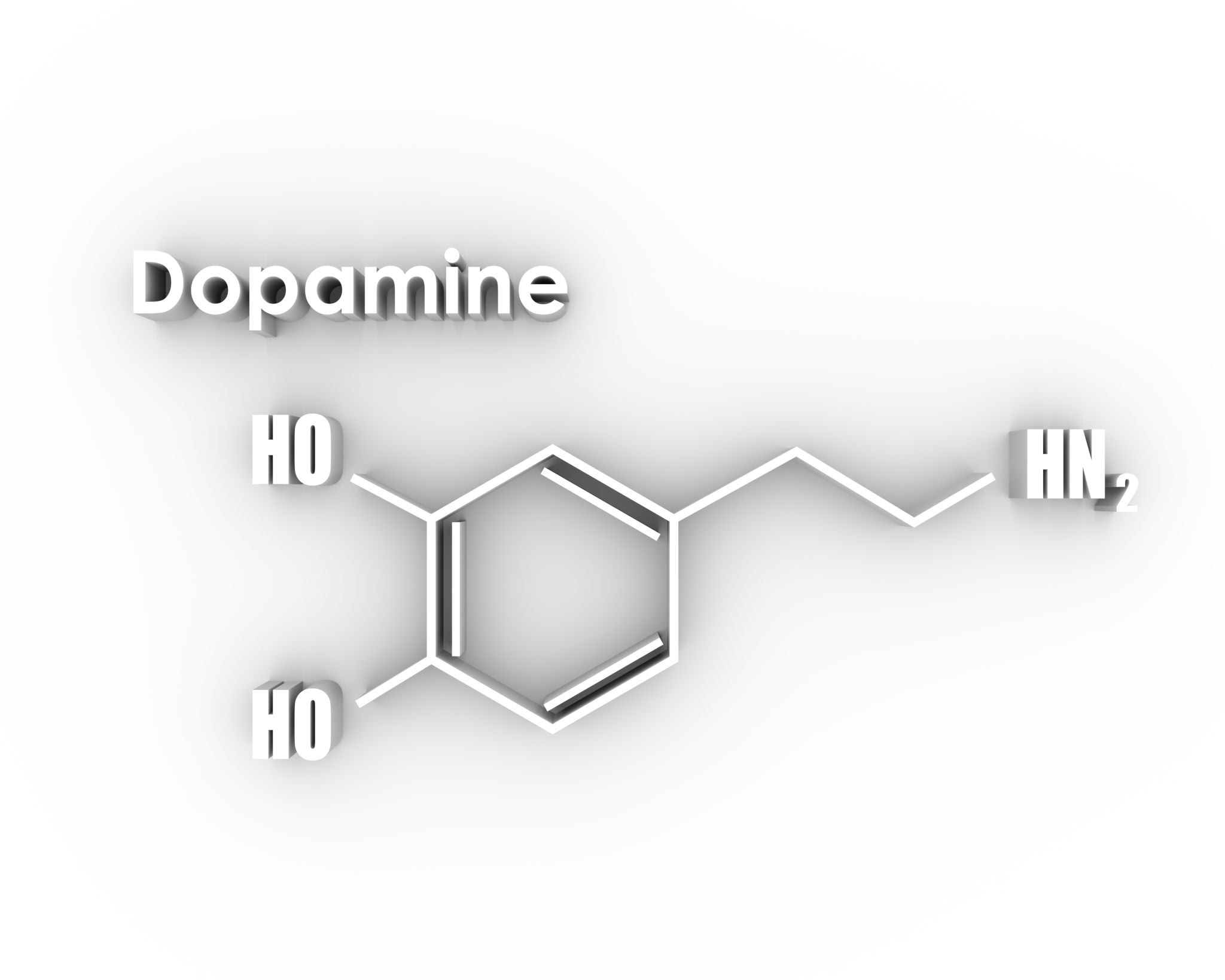
Dopa‿mine // is not just // a bout // pleasure.
It('s) ‿ a bout // motivation // and learning.
When we ‿ encounter // new things, // our brains // light ‿ up.
We create // new neural // pathways.
This // is neuroplasti‿ci‿ty // in action.
You see, // many people // think // that learning // stops // when you finish school.
Or that your brain // stops // deve‿lo‿ping // at ‿ a certain age.
But that // is simply // not true.
Your brain // craves // novelty // un til the day // you die.
(craves novelty: v 与 n 之间要清晰)
Think ‿ a bout // the last time // you traveled // to ‿ a new country.
Do you remember // how vivid // eve‿ry‿thing was?
The smells, // the sounds, // the language, // the food.
You were present.
You were not // worry‿ing ‿ a bout // your to-do list.
You were living // in the moment.
That // is the power // of novelty.
But here('s) the catch.
You don('t) need // to book // a flight // to bali // to get ‿ it.
(get it: t 浊化为 /d/ 并连读)
Novelty // can be found // in the smallest // changes // to your daily life.
It could be // taking ‿ a diffe‿rent route // to work.
It could be // trying // a new cuisine.
It could be // learning // to play // an ‿ instru‿ment // or speaking // a new language.
The problem // is comfort.
We are wired // to seek // comfort // and safety.
Es pecial‿ly // as we get older.
We build // routines // to protect ‿ our selves // from the ‿ unknown.
But comfort // is the ene‿my // of growth.
If you want // to keep // your brain // young, // you have to // willing‿ly // embrace // discomfort.
I challenge you.
When was the last time // you did something // for the first time?
If you have to think // hard ‿ a bout ‿ it, // it('s) been // too long.
The biggest barrier // to novelty // is fear.
The fear // of looking foolish.
The fear // of failing.
When we are kids, // we fall ‿ over, // we get ‿ up, // and we try ‿ a gain.
We don('t) care // who is watching.
But as ‿ a dults, // we curate // our lives.
We only want // to show // the world // what we are good ‿ at.
So we stop // trying // new things.
We stick // to what we know.
And that // is where // stagnation // sets ‿ in.
(sets in: s 与 i 连读)
I want ‿ to introduce // a concept // called // "Cogni‿tive Reserve".
Scientists // have found // that people // who constant‿ly // challenge their brains // with new ‿ activi‿ties // build ‿ up // a reserve // of neural connections.
This // reserve // acts ‿ like ‿ a buffer // a gainst // aging.
It('s) like // having // extra money // in the bank // for ‿ a rainy day.
So, // how do we build // this reserve?
You don('t) have to // quit your job // and travel the world.
Although, // if you can, // go for ‿ it.
But for the rest ‿ of ‿ us, // it('s) ‿ a bout // micro-dosing // novelty.
Change // your ‿ environ‿ment.
Rearrange // your furni‿ture.
Work // from ‿ a diffe‿rent coffee shop.
Talk // to someone // from ‿ a diffe‿rent // generation.
Read // a book // in ‿ a genre // you usual‿ly // skip.
(skip: p 爆破音要轻)
Embrace // the awkwardness // of being // a beginner.
There is // magic // in the struggle.
When you are fumbling, // when you are making // mistakes, // that // is when // your brain // is growing // the most.
I recent‿ly // started // learning // how to code.
Now, // I('m) not // a tech guy.
And let me tell ‿ you, // it is frustra‿ting.
It is hard.
I feel // stupid // half the time.
But // I also feel // alive.
I feel // my brain // stretching.
And time? // Time feels // diffe‿rent // when I('m) coding.
It expands.
So, // my message // to you // is this.
Do not // let // age // be ‿ an ‿ excuse // for bore‿dom.
Do not // let // comfort // be // the coffin // of your curiosi‿ty.
(coffin of: n 与 o 连读)
Your life // is measured // not // by the number ‿ of breaths // you take, // but by the moments // that take // your breath // away.
And those moments? // Those breathta‿king moments?
They are rarely // found // in the familiar.
They are found // in the new.
They are found // in the ‿ unexpec‿ted.
Go ‿ out there.
Be // curi‿ous.
Be // brave.
And most ‿ important‿ly, // be // new.
Thank you.
💡 高级词汇与地道表达 (Vocabulary & Expressions)
| 词汇/表达 | 词性 & 音标 | 释义 (English definition) | 例句 & 搭配 |
|---|---|---|---|
| Mundane | [adj.] /mʌnˈdeɪn/ | Lacking interest or excitement; dull; of this earthly world rather than a heavenly or spiritual one. | *Example:*Our brains stop recording themundanedetails of daily life. **搭配:**mundane tasks; mundane existence. |
| Neuroplasticity | [n.] /ˌnʊr.oʊ.plæˈstɪs.ə.t̬i/ | The ability of the brain to form and reorganize synaptic connections, especially in response to learning. | *Example:*Learning a new skill triggersneuroplasticity. **搭配:**brain neuroplasticity; promote neuroplasticity. |
| Cognitive Reserve | [n. phr.] | /ˈkɑːɡ.nə.tɪv rɪˈzɝːv/ | The mind's resistance to damage of the brain (e.g., aging). |
| Micro-dose | [v./n.] /ˈmaɪ.kroʊ.doʊs/ | To take a very small amount of something. (Here used metaphorically for adding small habits). | *Example:*You canmicro-dosenovelty by taking a new route to work. |
| Stagnation | [n.] /stæɡˈneɪ.ʃən/ | The state of not flowing or moving; lack of activity, growth, or development. | *Example:*Sticking to what we know leads tostagnation. **搭配:**economic stagnation; personal stagnation. |
| Curate | [v.] /kjʊˈreɪt/ | To select, organize, and look after items (or here, one's public image). | *Example:*Adultscuratetheir lives on social media to look perfect. |
| Autopilot | [n.] /ˈɑː.t̬oʊˌpaɪ.lət/ | A state of routine where one acts without conscious thought. | *Example:*My brain goes onautopilotduring the commute. **搭配:**live on autopilot; switch to autopilot. |
| Fumble | [v.] /ˈfʌm.bəl/ | To use the hands clumsily while doing or handling something; to move clumsily. | *Example:*There is magic infumblingthrough a new skill as a beginner. |
| Expansive | [adj.] /ɪkˈspæn.sɪv/ | Covering a wide area in terms of space or scope; (of time) feeling open and long. | *Example:*When we are young, time feels slow andexpansive. |
| Buffer | [n.] /ˈbʌf.ɚ/ | Something or someone that protects something from harm or damage. | *Example:*Novelty acts as abufferagainst cognitive decline. |
🗣️ 练习建议 (Tips)
- Vocal Variety (声音的多样性):
- Kenneth 的演讲风格通常充满活力且真诚。他在讲到 "dopamine" (多巴胺) 和 "alive" (活着) 这种积极词汇时,语调会明显上扬,音量增加。
- 在讲到 "fear" (恐惧) 或 "stagnation" (停滞) 时,语速会放慢,音调压低,以制造紧迫感。
- Handling "Flap T" (T 的浊化):
- 美式英语中,夹在元音中间的 T 非常重要。
- 练习词组: get older -> /ge-dol-der/, better -> /be-der/, city -> /si-di/.
- 注意: Micro-dose 中的 T 不浊化,因为它是合成词的一部分且 T 在 micro 结尾 dose 开头并非此例,但如 later -> /lei-der/ 则是典型例子。
- Emphasis on "Action Verbs" (强调动作动词):
- 演讲中有很多动词用于鼓励行动:Change, Rearrange, Talk, Read。
- 练习时,这些祈使句的第一个动词要重读 (Initial Stress),给予一种 "命令" 或 "强力建议" 的感觉。
- 例如: "Change your environment." (重读 Change).
- Connecting Emotion to Logic (情感与逻辑的连接):
- 演讲结构是:问题 (Time speeds up) -> 科学解释 (Processing data) -> 解决方案 (Novelty) -> 情感呼吁 (Don't let age be an excuse).
- 在模仿时,要在这些部分之间做出自然的过渡。讲科学时要清晰准确 (Intellectual tone),讲呼吁时要充满激情 (Inspirational tone)。