
📺 视频信息
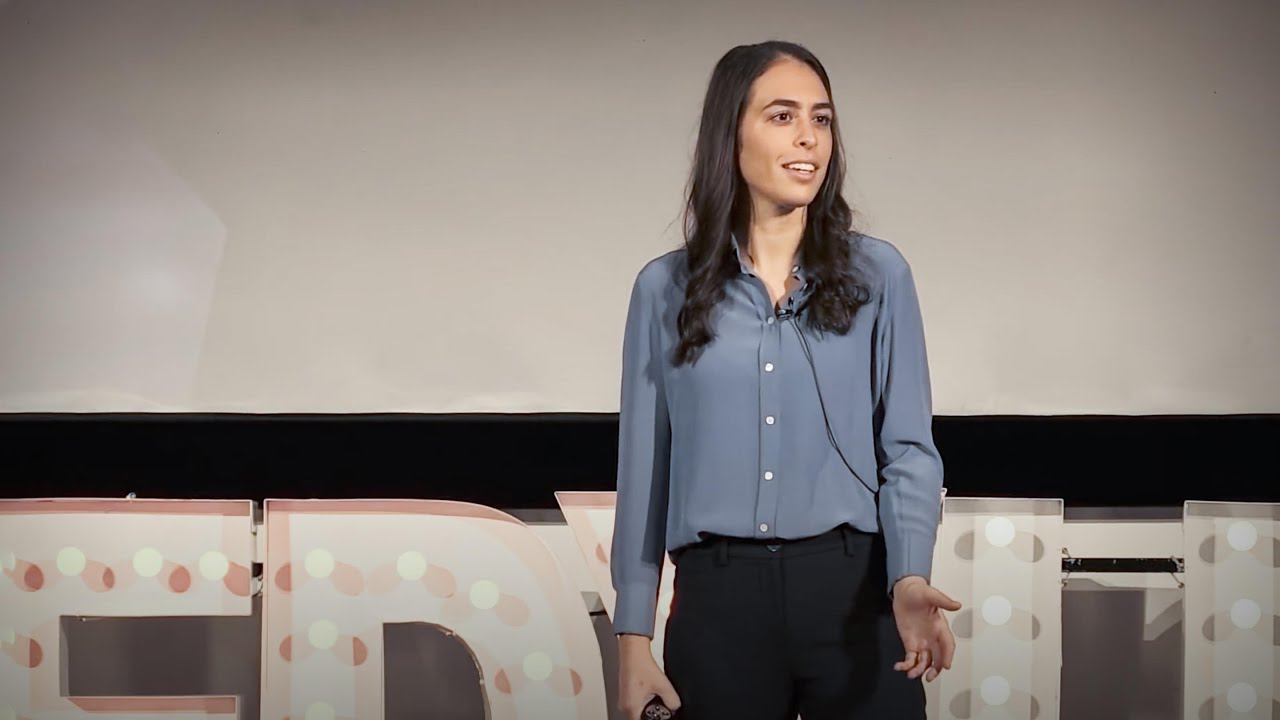
Title: Why You Feel Anxious Socializing (and What to Do about It) (你为何在社交时感到焦虑(以及该如何应对))
Speaker: Dr. Fallon Goodman
Accent: General American
Duration: 11:32
🎧 语音现象标注说明 (Legend)
为了让你更直观地看到发音技巧,我使用以下符号进行标注:
| 符号/格式 | 名称 (中/英) | 发音技巧/说明 |
|---|---|---|
| 加粗 (Bold) | 重读单词 (Sentence Stress) | 发音需更响亮、更长。 |
| 斜体 (Italics) | 弱读单词 (Weak forms) | 发音要轻、快,元音常弱化为 /ə/ 。 (通常涉及介词、代词) |
| ‿ | 连读 (Linking) | 前一个词的词尾与后一个词的词头滑过,声音不断开。 |
| (t) / (d) / (p) | 失爆 / 不完全爆破 (Stop sounds) | 只做口型不发声,或停顿一下,不将气流送出。 |
| /d/ | 浊化 (Flap T) | 当字母t 夹在两个元音之间时,发音类似快速的 d。 |
| // | 意群停顿 (Pause) | 在此处稍微换气或做短暂亦停顿。 |
📜 语音现象标注全文 (Annotated Transcript)
(Legend Review: Bold=Stress; Italics =Weak forms; ‿=Link; (t)/(d)=Stop; /d/=Flap T; //=Pause)
Each person // who entered ‿ our therapy clinic, // answered ‿ a stack ‿ of questions // be fore beginning treatment. (t)
(stack of k与o连读; treatment 尾音t失爆)
And during my years // as ‿ a therapist there, // there was one question // I always reviewed // be fore meeting ‿ with ‿ a new client.
It asked this: // What is your purpose // in life?
Defined // as a central, // motivating life aim. // Something you're trying // to ‿ accomplish.
(trying to 弱读为 tryin' ta; accomplish t与y连读)
Now, // to be fair, // this is a difficult question.
Identifying ‿ a single purpose // in life // feels really hard.
It also feels // consequential.
Many people spend years // searching ‿ for // and developing their purposes, // and some never find ‿ it. (d)
(find it d与i连读)
But // typically we see responses // like this:
To be ‿ an ‿ engaged parent.
To make meaningful change // in my community.
To build ‿ a career // I'm proud ‿ of.
To live // for ‿ a long time. // Just keeping ‿ it simple.
But // then there was the answer // of one young woman // who I worked ‿ with. (t)
Be fore meeting ‿ with her, // as I always did, // I flipped // to see how she described her purpose.
And she wrote this:
" To ‿ avoid // being noticed // by other people."
(avoid being d失爆)
This young woman, // a bright, // witty, // compassionate high schooler, // decided // that her purpose // in life // was to make sure // that other people // did not know // that she ‿ existed. (t)
This // is the power // of social ‿ angxiety.
(social anxiety l与a连读)
At its core, // social ‿ angxiety // is a bout the fear // of being rejected. (t)
When we feel socially ‿ anxious, // we become hyper focused // on how we are ‿ appearing // to others.
We scan the room, // looking ‿ for signs ‿ of threat // and disapproval.
Signs we might have slipped ‿ up. (p)
(slipped up d与u连读)
Or are at risk // for rejection.
And then we seek comfort // in signs ‿ of ‿ approval: // smiles, // head nods, // laughs // and so on.
And // while social ‿ angxiety // can be ‿ exhausting, // it ‿ exists // for ‿ a reason.
Social ‿ angxiety // tries to protect ‿ us // from rejection.
(protect us ct连读, t弱化)
And it does that // by tuning ‿ us in // to the nuances // and norms // and dynamics // of ‿ a social group.
So we can match our behavior // to fit in // with them.
And ultimately // avoid being rejected. (t)
Now, // this is a good thing. // Be cause humans are social.
We ‿ exist // in social groups.
We rely // on each other, // whether or not we like that. (k)
But also // more simply, // be cause rejection // is painful.
Take ‿ a moment // to think ‿ a bout // your own rejection ‿ ex periences.
(own rejection n与r不连读,清晰分开; rejection experiences n与e连读)
However cringe-worthy, // we all have them.
Maybe you were ghosted // after a first date. // Been there.
Maybe you were rejected // from your dream job.
Maybe you were ousted // from ‿ a friend group. (d)
(friend group d失爆)
Rejection’s // unpleasant.
And social ‿ angxiety // tries to protect ‿ us // from it.
But // social ‿ angxiety // becomes problematic // when it begins // to interfere // with the life // you want to live.
And this happens // when your fear ‿ of rejection // becomes intertwined // with your view // of yourself.
When you believe // you will be rejected // be cause you think // you have some // inherent flaw, // deficiency // or failing ‿ of character.
(failing of ng与o连读)
You were ghosted // after that first date, // and you believe // it's be cause // you are not lovable // or ‿ attractive ‿ enough.
(attractive enough v与e连读)
You were turned down // from your dream job, // and you believe // it's be cause // you are not // intelligent // or competent ‿ enough.
You were ousted // from that friend group, // and you believe // it's be cause // you are not // interesting // or funny ‿ enough.
Our fear ‿ of rejection // is really ‿ a fear // of being less than.
Less than we want to be, // less than we think we should be, // or less than we believe // society wants ‿ us to be.
And over time, // this belief system // can develop // into Social ‿ Angxiety Disorder.
When ‿ a person // has Social ‿ Angxiety Disorder, // they become overly concerned // a bout other people // scrutinizing them, // evaluating them harshly, // and ultimately // rejecting them.
So much so // that they begin // to construct their lives // a round // avoiding rejection.
Be cause // if you can ‿ avoid // being noticed // by other people, // then those people // have fewer data points // on which // to reject you. (t)
Now, // Social ‿ Angxiety Disorder // is one ‿ of the most common // mental illnesses // in the world.
In the United States ‿ a lone, // more than twelve percent // of ‿ Americans // at some point // in their lives // will have diagnosable // Social ‿ Angxiety Disorder.
That's roughly // forty million people.
Now world wide, // the estimates are lower, // they're four percent. // Which // in and ‿ of ‿ it self // is interesting.
(and of itself d连of, of连it)
But // based on current // population ‿ estimates, // four percent // of the world // is roughly // three hundred million people. // That will potentially have // Social ‿ Angxiety Disorder // at some point // in their lifetime.
And // despite how prevalent ‿ it is, // it's widely // misunderstood, // widely // misdiagnosed, // and often // missed ‿ entirely. (t)
(missed entirely d与e连读)
This is be cause // several myths // a bout social ‿ angxiety // pervade our culture.
The first myth // is that people // with social ‿ angxiety // are happier // a lone.
The stereotype // of someone // with social ‿ angxiety // is a recluse // who'd rather be // hiding ‿ a way // a lone // in their bedroom // than out // interacting // with the world.
And this // is simply // not true.
In research // conducted // in my lab, // we find // that people // with Social ‿ Angxiety Disorder // desire strong, // healthy, // intimate // relationships // to the same degree // as those // without mental illness.
And // they do socialize, // they are not // robotic aliens. (n)
And when they socialize, // they often // enjoy doing ‿ so.
In fact, // when we ask people // with social ‿ angxiety // how happy they are, // they report // feeling happier // when they are with // other people // than when they are ‿ a lone.
This is be cause // not all // social ‿ interactions // are stressful.
Maybe // someone feels // socially ‿ anxious // with friends, // but not their romantic partner.
Or they feel anxious // with strangers // and ‿ acquaintances, // but not people // like their neighbors // or co-workers.
So even though // some // interactions are stressful, // people // with social ‿ angxiety // are not // devoid // of the basic desire // for human connection.
They just have trouble // obtaining ‿ it. // In certain situations // with certain people.
(obtaining it ng与i连读)
Okay, // so maybe then // people // with social ‿ angxiety // do socialize, // and when they do, // they enjoy ‿ it, // but it's with ‿ a small, // tight-knit group ‿ of people.
And really // social ‿ angxiety // is a bout // avoiding the spotlight.
And this // is the second myth.
Social ‿ angxiety // is not necessarily ‿ a bout // a fear // of public performance.
Well // this is true // of some people, // other people // with social ‿ angxiety // find performing // in front ‿ of others // less ‿ angxiety-provoking // than smaller, // more intimate conversations // like where they have to carry ‿ a conversation // one-on-one.
Many people // with social ‿ angxiety // excel // in careers // that are intertwined // with social ‿ evaluation // and social performance.
Modeling, // acting, // sports.
In May // of twenty-twenty-one, // Naomi Osaka // declined // to participate // in press conferences // at the French Open.
She courageously // and preemptively shared // that they ‿ exascerbated // her social ‿ angxiety.
(they exacerbated y与e连读)
Shortly there after, // she received ‿ a wave // of public backlash // and scrutiny.
She goes on // to play her first match, // of course wins, // and then she withdraws // from the French Open.
Many people // were perplexed // a bout how someone // could have social ‿ angxiety // and also be // the number one ranked // tennis player // in the world, // lead ‿ a fashion campaign // with Nike, // good choice, // and don the cover // of Sports Illustrated // in her swimsuit.
In ‿ an interview // the year prior // in discussing her social ‿ angxiety, // Osaka ‿ explained:
" On the court // is completely different.
I love playing // at Arthur Ashe // be cause it's the biggest stadium, // and you feel // the rumble // of the crowd.
You kind ‿ of feel // like ‿ a gladiator // be cause it's super big, // and there are so many people // watching your match.
But off the court, // if I was ever thrown // into ‿ a situation // where I had to speak // in front ‿ of // one hundred people, // I feel like // I would start shaking."
There is no // one-size-fits-all // profile // of social ‿ angxiety.
Just like people // who are depressed // have different collections // of symptoms // at different times // for different reasons, // social ‿ angxiety // looks different // in different people.
And last // and maybe the most problematic myth:
That social ‿ angxiety // is fleeting // and harmless.
Social ‿ angxiety // is not just something // you grow out ‿ of. (t) /d/
(out of t浊化)
It doesn't magically // disappear // when you graduate // middle school // or high school.
Without intervention, // many people // struggle with social ‿ angxiety // for years, // for decades.
And social ‿ angxiety // can influence // every aspect // of ‿ a person's life.
It can influence // the hobbies they choose.
Maybe opting // for solo ‿ activities // like reading, // writing // rather than things // like team sports.
It can influence // the careers // people persue.
Maybe opting // for careers // with more // individual, // computer time // versus things // like sales // or customer service.
And social ‿ angxiety // can influence // people's // everyday lives.
Ricky Williams, // star N F L // running back, // Heisman winning // running back, // dazzled // millions ‿ of people // on the football field // every week.
And yet he shared // that he struggled // with social ‿ angxiety.
And be cause ‿ of it, // he had difficulty // interacting // with teammates, // running // everyday errands // where he'd have to // interact // with people, // and even // interacting // with his own daughter.
The real tragedy // of social ‿ angxiety // is that it robs // individuals // of their greatest resource: // Other People.
Other people // help ‿ us // overcome // adversity, // like recovering // from illness // or after you bomb // a job interview.
Other people // help ‿ us // celebrate milestones, // like showing up // to the birth // of our child // or ‿ a wedding // or ‿ a graduation.
And other people // help ‿ us // overcome loss. // Like grieving the death // of ‿ a loved one.
Our fear ‿ of rejection // gets in the way // of obtaining // and ‿ appreciating // the benefits // of being ‿ accepted. // The benefits // of other people.
And in our modern world // it is harder // than ever // to manage social ‿ angxiety.
We are more connected // today // than any time // in human history.
And yet, // we are lonelier, // more depressed, // and more socially ‿ anxious // than ever.
We have endless tools // to socialize // and yet we are seeing ‿ a decay // in social connection.
In ‿ a rapid ‿ a mount // of time, // our social structures // have been up-ended // and re-written. (t)
(up-ended p不爆破)
Technology // and social media // have created // new standards // for social relationships // and interactions**.
Do I post ‿ it? // Do I share ‿ it? // Do I like ‿ it? // Do I love ‿ it?
We create // these bizarre ‿ extensions // of ourselves // through curated profiles // and now avatars.
We try to make sense // of unlimited feedback // from ‿ a massive // and often // invisible audience.
And the cost // of social blunders // are higher.
Things you do // and things you say // can live ‿ online // forever.
And subject you // to unforgiving scrutiny, // reputation loss, // and even job loss.
It is ‿ a tough time // to have social ‿ angxiety.
But // the world // will become more, // not less connected.
And the influence // of technology // and social media // will grow, // not shrink.
Now // is the time // to ‿ address social ‿ angxiety.
And here's how.
The first // and maybe easiest thing // we can do // is identify early.
Early detection // is critical.
Be cause // of those who go on // to develop // Social ‿ Angxiety Disorder, // more than half // will have developed ‿ it // be fore their fourteenth birthday. (d)
More than half.
And social ‿ angxiety // puts people // at risk // for developing // other mental illnesses // later on.
Of ‿ adults // who were diagnosed // with both // social ‿ angxiety // and ‿ a mood disorder // like depression, // social ‿ angxiety // came first // seventy percent // of the time.
Of ‿ adults // who were diagnosed // with both // social ‿ angxiety // and alcohol use disorder, // social ‿ angxiety // came first, // it was developed first, // ‿ approximately // eighty percent // of the time.
What these data suggest // is that social ‿ angxiety // starts early, // and it puts people // at risk // for developing // other mental illnesses.
But // here's the ‿ incredible part.
Social ‿ angxiety // can be reliably // and accurately flagged // by asking // just ‿ a few // simple questions.
Questions like:
"Is your fear ‿ of rejection // a mong one // of your worst fears?"
And // "Does your fear ‿ of rejection // get in the way // of doing things // that you'd otherwise // want to do // or enjoy doing?"
(want to 弱读 wanna)
The cost // of asking these questions // is like thirty seconds // and zero dollars.
We don't have // to create new infrastructures.
We don't have // to up-end ‿ existing ones.
We can ‿ embed // early detection programs // into our ‿ existing structures.
Like at schools: // New Year // orientation, // one-on-one counselor meetings.
And in primary care settings.
Be cause if ‿ a doctor // can screen // for depression, // then she can also screen // for social ‿ angxiety.
The second thing // we can do // is harness our platforms.
One ‿ of the benefits // of living // in this // hyper-connected world // is that ‿ a single person // can have ‿ a ton // of power.
They can use their platforms // to create // meaningful // and lasting // social change.
I mentioned Ricky Williams, // and Osaka, // who have used their platforms // to share // a bout their social ‿ angxiety.
And just from these two people // we've seen the ripple ‿ effect.
In response // to Osaka's ‿ announcement, // Viola Davis, // Oscar, // Emmy, // Tony // ‿ award-winning actress // shared // that she struggles // with social ‿ angxiety.
A woman whose job ‿ it is // as ‿ an actress // to ‿ embody // and ‿ express // the complexities // of people // in very vulnerable // and very public ways.
But frankly, // these celebrities // are not // the poster children // for social ‿ angxiety.
They are just three // of the millions // who suffer, // who were brave ‿ enough // to talk ‿ a bout ‿ it. /d/
(talk about it k连a, t连i)
And we // can do the same // with our platforms // however big // or small.
In our schools, // in our workplaces, // in our communities, // and in our homes.
Be cause // regular, // candid, // and forthcoming conversations // a bout mental illness, // ultimately // reduce stigma, // correct harmful myths, // and get people // the help // that they need.
The last thing // that we can do // is foster social courage.
Addressing social ‿ angxiety // is not ‿ a bout // preventing // or ‿ avoiding rejection.
Addressing social ‿ angxiety // is a bout // fostering social courage.
Being socially courageous // means // persuing ‿ ex periences // and knowing // that your chances // of rejection // are not zero.
In fact, // the chances // that you get rejected // at some point // in your life, // at some point // this year, // are high.
And worse, // you may be rejected // as ‿ a function // of who you are.
Things ‿ a bout yourself // that you can not change.
Where you come from, // what you look like, // or who you love.
Being socially courageous // means // persuing ‿ ex periences // be cause they are ‿ important // to you.
And knowing // that the successes // of those persuits // are not contingent // on your worth // as ‿ a human being.
Being socially courageous // means // knowing your worth.
And finding people // and social groups // that love // and ‿ accept // that person. (t)
And being socially courageous // means // asking that person out.
Applying // for that job.
Speaking up // at that meeting // or that party.
Or giving that big talk // on that big stage.
Knowing // that rejection // lurks // a round the corner.
But // the opportunity // for growth, // and for purpose // shines brighter.
A purpose // not defined // by ‿ ensuring // that you go // unnoticed // in this world.
But ‿ a purpose // that makes you feel // most ‿ a live, // most present, // and most // authentically // you.
💡 高级词汇与地道表达 (Vocabulary & Expressions)
| 词汇/表达 | 词性 & 音标 | 释义 (English definition) |
例句 & 搭配 |
|---|---|---|---|
| Exacerbate | [v.] /ɪɡˈzæs.ɚ.beɪt/ | to make something that is already bad even worse | Example: The loud noise exacerbated her anxiety. 搭配: exacerbate a problem; exacerbate tensions. |
| Scrutiny | [n.] /ˈskruː.t̬ən.i/ | the careful and detailed examination of something | Example: She received a wave of public scrutiny. 搭配: under scrutiny; come under close scrutiny. |
| Perplexed | [adj.] /pɚˈplekst/ | confused, because something is difficult to understand or solve | Example: Many people were perplexed by her decision. 搭配: look perplexed; be perplexed by. |
| Don | [v.] /dɑːn/ | to put on a piece of clothing (formal/literary) |
Example: She donned the cover of Sports Illustrated in her swimsuit. 搭配: don a mask; don a hat. |
| Fleeting | [adj.] /ˈfliː.tɪŋ/ | short or quick; lasting for a very short time | Example: The myth is that social anxiety is fleeting and harmless. 搭配: a fleeting moment; fleeting glimpse. |
| Upend | [v.] /ʌpˈend/ | to push or move something so that the part that is usually at the bottom is now at the top; to turn something upside down | Example: Our social structures have been upended by technology. 搭配: upend lives; upend the system. |
| Poster Child | [n.] /ˈpoʊ.stɚ ˌtʃaɪld/ | a person who is a perfect example of a particular quality or type | Example: These celebrities are not the poster children for social anxiety. 搭配: poster child for [cause/disease]. |
| Candid | [adj.] /ˈkæn.dɪd/ | honest and telling the truth, especially about something difficult or painful | Example: We need candid conversations about mental illness. 搭配: a candid discussion; to be candid with someone. |
| Contingent | [adj.] /kənˈtɪn.dʒənt/ | depending on something else in the future in order to happen | Example: Success is not contingent on your worth as a human being. 搭配: contingent on/upon. |
| Lurk | [v.] /lɝːk/ | to wait or move in a secret way so that you cannot be seen, especially because you are about to attack someone or do something wrong | Example: Rejection lurks around the corner. 搭配: lurk in the shadows; dangers lurking. |
🗣️ 练习建议 (Tips)
-
Logical Stress (逻辑重音) : Fallon Goodman 博士的演讲逻辑性非常强。请注意她在列举
(first, second, third)或进行对比(on the court... off the court)时,重音不仅落在内容词上,还落在转折词(but, however)和强调词(not, most, own)上。- 练习: 模仿 Part 2 开头关于 Naomi Osaka 的段落,体会她在 quote 引用部分的语气变化——更加感性和描述性。
-
Linking "Social Anxiety" : 在这篇演讲中,Social Anxiety 出现了非常多次。请注意 /l/ 和 /æ/ (anxiety) 之间的连读。不要把 Social 的尾音完全断开,试着让舌尖保持在那个位置滑向 Anxiety 的元音开头。
-
Phrasing & Pause (意群停顿) : 演讲结尾部分非常具有感染力,排比句很多
(most alive, most present, and most authentically you)。请在逗号处稍作停顿,但保持语调上扬(rising intonation),直到最后一个词才降调,以营造层层递进的情绪。 -
Empathy in Tone: 演讲者在讲到 "The real tragedy..." 时,语速明显放慢,音调更低沉。这是为了表达同情和惋惜。尝试模仿这种语调的转换,不要全程使用同一种节奏。