
📺 视频信息
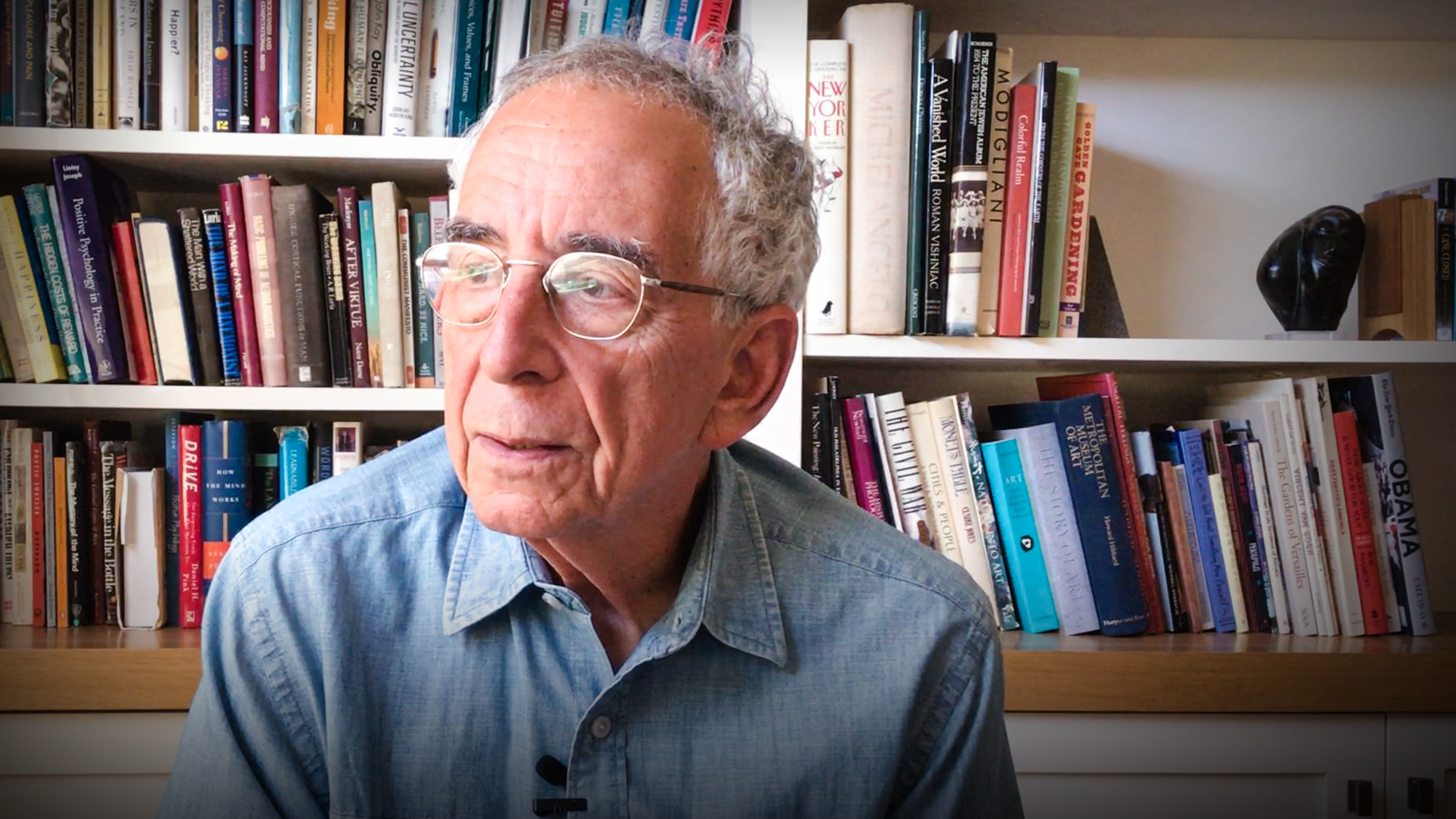
- Title: What role does luck play in your life?
(运气在你生活中扮演什么角色?) - Speaker: Barry Schwartz
- Accent: General American
(通用美式) - Duration: 11:16
🎧 语音现象标注说明 (Legend)
- 加粗 (Bold):重读单词(Sentence Stress),发音需更响亮、更长。
- 斜体 (Italics):弱读单词(Weak forms),通常是介词、代词,发音轻快,元音弱化。
- ‿:连读(Linking),前一个词词尾与后一个词词头滑过。
- (t) / (d):失爆/不完全爆破(Stop sounds),只做口型不发声,或停顿一下。
- /d/:浊化(Flap T),t 在两个元音之间发音类似快速的 d。
- //:意群停顿(Pause),在此处稍微换气。
📜 语音现象标注全文 (Annotated Transcript)
Hello everybody.
I'm honored ‿ to be here, // to talk ‿ to you.
And what I'm gonna talk ‿ to you ‿ about today // is luck // and justice // and the relation between them.
Some years ‿ ago, // a former student ‿ of mine // called me // to talk ‿ about his daughter.
It turns ‿ out his daughter // who was a high school senior // was seriously // interested ‿ in ‿ applying ‿ to Swarthmore, // where I taught.
And he wanted ‿ to get my sense // of whether she would get ‿ in.
(get in: t 浊化为 /d/ 并连读)
Swarthmore is an ‿ extremely // hard school // to get ‿ into.
So I said, // "Well, // tell me ‿ about her."
And he told me ‿ about her... // you know, // what her grades were like, // her board scores, // her ‿ extra-curricular ‿ activities.
And she just sounded // like a superstar.
Wonderful, // wonderful kid.
So I said, // "She sounds fabulous. // She sounds like just the kind ‿ of student // that Swarthmore would love ‿ to have."
And so he said, // "Well, // does that mean // that she'll get ‿ in?"
And I said, // "No."
There just aren't ‿ enough spots // in the Swarthmore class // for everybody who's good.
There aren't ‿ enough spots ‿ at Harvard // or Yale // or Princeton // or Stanford.
There aren't ‿ enough spots ‿ at Google // or Amazon // or Apple.
There aren't ‿ enough spots // at the TED Conference.
There are an awful lot ‿ of good people // and some ‿ of them // are not going ‿ to make ‿ it.
(good people: d 失爆; make it: k 与 i 连读)
So he said, // "Well, // what are we supposed ‿ to do?"
And I said, // "That's ‿ a very good question. // What are we supposed ‿ to do?"
And I know what // what colleges // and ‿ universities have done.
In the interest ‿ of fairness, // what they've done // is they've kept // ratcheting ‿ up the standards // because it doesn't seem fair // to ‿ admit // less qualified people // and reject better qualified people.
So you just keep raising the standards // higher ‿ and higher // until they're high ‿ enough // that you can ‿ admit only // the number ‿ of students // that you can fit.
And this violates // a lot ‿ of people's sense // of what justice // and fairness is.
People ‿ in ‿ American society // have different ‿ opinions // about what it means ‿ to say // that some sort ‿ of process is just.
But I think there's one thing // that pretty much everyone ‿ agrees ‿ on: // that in ‿ a just system, // a fair system, // people get // what they deserve.
(get what: t 失爆)
And what I was telling my former student // is that when it comes ‿ to college ‿ admissions, // it just isn't true // that people get // what they deserve.
Some people get what they deserve, // and some people don't.
And that's just the way it is.
When you ratchet ‿ up requirements // as colleges have done, // what you do // is you create ‿ a crazy // competition // among high school kids.
Because it's not adequate // to be good.
It's not adequate // to be good ‿ enough.
You have ‿ to be better // than everybody else // who's also ‿ applying.
And what this has done // or at least what this has contributed to // is a kind ‿ of ‿ epidemic // of ‿ anxiety // and depression // that is just // crushing // our teenagers.
We are wrecking ‿ a generation // with this kind ‿ of competition.
As I was thinking ‿ about this, // it ‿ occurred ‿ to me // there's ‿ a way // to fix this problem.
And here's what we could do.
When people ‿ apply ‿ to college, // we distinguish // between the applicants // who are good ‿ enough // to be successful, // and the ones who aren't.
And we reject the ones // who aren't good ‿ enough // to be successful.
And then // we take all ‿ of the others // and we put their names ‿ in ‿ a hat // and we just pick ‿ em ‿ out // at random // and ‿ admit them.
(pick 'em out: k 与 em 连读, m 与 out 连读)
In other words, // we do college ‿ admissions // by lottery.
And maybe we do job ‿ offers // at tech companies // by lottery.
And // perish the thought // maybe we even make decisions // about who gets ‿ invited // to talk ‿ at TED // by lottery.
Now, // don't misunderstand me.
A lottery like this // is not going ‿ to ‿ eliminate // the ‿ injustice.
There will still be plenty ‿ of people // who don't get // what they deserve.
But at least // it's honest.
It reveals the ‿ injustice // for what it is, // instead ‿ of pretending otherwise.
And it punctures // the ‿ incredible pressure ‿ balloon // that our high school kids // are now living ‿ under.
So why is it // that this perfectly reasonable** proposal // if I do say so my self // doesn't get // any serious discussion?
I think I know why.
I think it's that we hate the ‿ idea // that really ‿ important things ‿ in life // might happen by luck // or by chance.
That really ‿ important things ‿ in our lives // are not under our control.
I hate that ‿ idea.
It's not surprising // that people hate that ‿ idea.
But // it simply is // the way things are.
First ‿ of all, // college ‿ admissions // already is ‿ a lottery.
It's just that the ‿ admissions ‿ officers // pretend // that it isn't.
So let's be honest ‿ about it.
And second, // I think if we ‿ appreciated // that it was ‿ a lottery, // it would also get ‿ us // to ‿ acknowledge // the ‿ importance ‿ of good fortune // in almost every one ‿ of our lives.
Take me.
Almost all ‿ of the most significant ‿ events // in my life // have ‿ occurred // to ‿ a large degree // as ‿ a result ‿ of good luck.
When I was in seventh grade, // my family left New York // and went ‿ to Westchester County.
Right at the beginning ‿ of school, // I met ‿ a lovely young girl // who became my friend.
Then she became my best friend.
Then she became // my girlfriend.
And then she became // my wife.
Happily // she's been my wife now // for fifty-two years.
I had very little // to do with this.
This was ‿ a lucky // accident.
I went ‿ off ‿ to college.
And in my first semester, // I signed ‿ up for ‿ a class // in introduction ‿ to psychology.
I didn't even know // what psychology was.
But it fit ‿ into my schedule // and it met requirements, // so I took ‿ it.
And // by luck // the class was taught // by ‿ a superstar // introductory psychology teacher. // A legend.
Because ‿ of that, // I became ‿ a psychology major.
Went ‿ off ‿ to graduate school.
I was finishing ‿ up.
A friend ‿ of mine // who taught ‿ at Swarthmore // decided he didn't want ‿ to be ‿ a professor ‿ anymore.
And so he quit // to go to medical school.
The job that he occupied // opened ‿ up.
I ‿ applied for it. // I got it.
The only job // I've ever ‿ applied for.
I spent forty-five years // teaching ‿ at Swarthmore.
An institution // that had ‿ an ‿ enormous impact // on the shape // that my career took.
And to just give one last ‿ example.
I was giving ‿ a talk // about some ‿ of my work // in New York.
And there was somebody ‿ in the audience // came ‿ up to me // after my talk.
He ‿ introduced himself.
He said, // "My name is Chris. // Would you like ‿ to give ‿ a talk ‿ at TED?"
And my response was, // "What's TED?"
Well, // I mean he told me // and TED then // wasn't what it is now.
But in the ‿ intervening years // the talks I've given ‿ at TED // have been watched // by more than twenty million people.
So the conclusion is, // I'm ‿ a lucky man.
I'm lucky ‿ about my marriage.
I'm lucky ‿ about my ‿ education.
I'm lucky ‿ about my career.
And I'm lucky // to have had ‿ a platform ‿ and ‿ a voice // at something like TED.
Did I deserve the success I've had?
Sure I deserved that success // just ‿ as you probably deserve your success.
But lots ‿ of people // also deserve successes like ours // who haven't had it.
So do people get // what they deserve?
Is society just?
Of course not.
Working hard // and playing by the rules // is just no guarantee // of anything.
If we ‿ appreciate // the ‿ inevitability // of this kind ‿ of ‿ injustice // and the centrality ‿ of good fortune, // we might ask ‿ our selves, // "What responsibilities // do we have // to the people we are now celebrating // as heroes // in this time ‿ of the pandemic... // when ‿ a serious illness // befalls their families // to make sure // that they remain whole // and their lives aren't ruined // by the cost // of dealing with the illness?"
What do we owe people // who struggle, // work hard // and are less lucky // than we are?
About ‿ a half century ‿ ago, // the philosopher John Rawls // wrote ‿ a book called // "A Theory ‿ of Justice."
And in that book // he ‿ introduced ‿ a concept // that he called // the "veil ‿ of ‿ ignorance."
The question he posed was: // If you didn't know // what your position ‿ in society was going ‿ to be, // what kind ‿ of ‿ a society // would you want ‿ to create?
And what he suggested // is that when we don't know // whether we're going ‿ to enter society // at the top // or at the bottom, // what we want // is a society // that is pretty damn equal.
So that even the ‿ unlucky // will be able ‿ to live // decent, // meaningful // and satisfying** lives.
So // bring this back... // all ‿ of you lucky, // successful people // to your communities.
And do what you can // to make sure // that we // honor // and take care ‿ of people // who are just ‿ as deserving ‿ of success // as we are // but just not ‿ as lucky.
Thank you.
💡 高级词汇与地道表达 (Vocabulary & Expressions)
| 词汇/表达 | 词性 & 音标 | 释义 (English definition) |
例句 & 搭配 |
|---|---|---|---|
| Ratchet up | [phrasal verb] /ˈrætʃ.ɪt ʌp/ | to increase something over a period of time | *Ex:*Colleges keptratcheting upthe standards. **搭配:**ratchet up the pressure / tension. |
| Meritocracy | [n.] /ˌmer.əˈtɑː.krə.si/ | a society or system where people get success or power because of their abilities, not because of their money or social position | Ex:(Implied in text) The myth ofmeritocracysuggests everyone gets what they deserve. |
| Perish the thought | [phrase] | used to say that you find a suggestion or idea unacceptable or ridiculous (often used humorously here) | *Ex:*And —perish the thought— maybe we even select TED speakers by lottery. |
| Epidemic | [n.] /ˌep.əˈdem.ɪk/ | a sudden, widespread occurrence of a particular undesirable phenomenon | *Ex:*Anepidemicof anxiety and depression among teenagers. |
| Veil of ignorance | [noun phrase] | (Philosophy) a hypothetical state where you don't know your place in society, used to determine what is fair | *Ex:*John Rawls introduced the concept of theveil of ignorance. |
| Intervening | [adj.] /ˌɪn.t̬ɚˈviː.nɪŋ/ | occurring between events or periods | *Ex:*In theinterveningyears, TED has grown significantly. |
| Inevitability | [n.] /ɪˌnev.ə.t̬əˈbɪl.ə.t̬i/ | the quality of being certain to happen | *Ex:*If we appreciate theinevitabilityof this kind of injustice. |
| Centrality | [n.] /senˈtræl.ə.t̬i/ | the quality of being essential or in the middle of something | *Ex:*Thecentralityof good fortune in our lives. |
| Befall | [v.] /bɪˈfɑːl/ | (of something bad) happen to someone | *Ex:*When a serious illnessbefallstheir family. |
| Extracurricular | [adj.] /ˌek.strə.kəˈrɪk.jə.lɚ/ | (of an activity at a school or college) pursued in addition to the normal course of study | *Ex:*Her grades andextracurricularactivities were excellent. |
🗣️ 练习建议 (Tips)
- Logical Stress (逻辑重音):
Barry Schwartz 教授非常擅长用重音来构建对比。- Example: "Some people get what they deserve, and some people don't."
- Example: "It's not adequate to be good. It's not adequate to be good enough. You have to be better..."
练习时,请模仿这种层层递进的重音模式,这能让你的观点表达更有说服力。
- Pausing for Effect (停顿的艺术):
注意他在讲故事时的停顿。例如在讲到他给学生的建议时:"And I said... 'No'." 这里的停顿制造了悬念和戏剧效果。在朗读长难句时,利用意群停顿(// 标记处)给自己换气,同时给听众消化的时间。 - Phrase "Pretty damn equal":
在演讲快结束时,他引用 John Rawls 的观点说:"what we want is a society that is pretty damn equal." 这里的 "damn" 是加强语气的副词(稍微有点口语化但在这里非常有力),发音要重且果断,表达出一种强烈的愿望。 - Empathy in Tone (共情语调):
最后一段他在讲 "What do we owe people..." 时,语调变得更加柔和、诚恳。尝试在朗读这一段时放慢语速,带入一种社会责任感和同理心。