
📺 视频信息
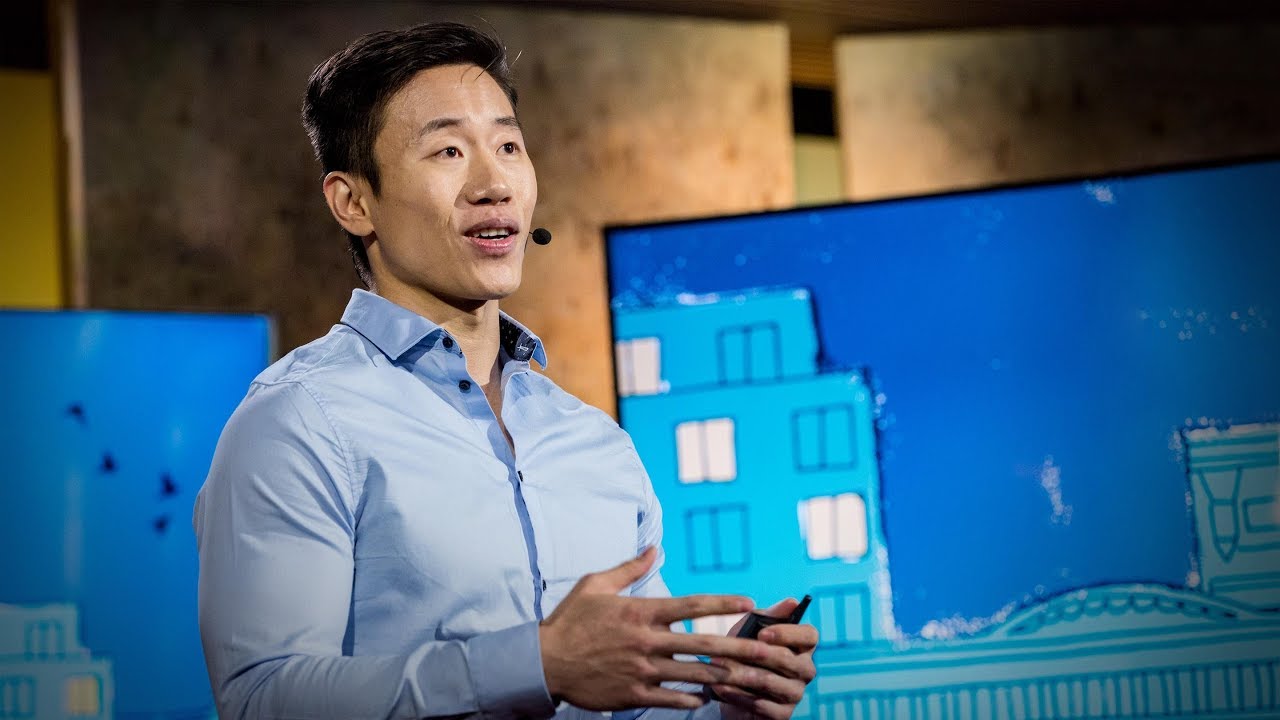
Title: Looking for a job? Highlight your ability, not your experience
Speaker: Jason Shen
Accent: General American
Duration: 06:29
🎧 语音现象标注说明 (Legend)
为了让你更直观地看到发音技巧,我使用以下符号进行标注:
| 符号/格式 | 名称 (中/英) | 发音技巧/说明 |
|---|---|---|
| 加粗 (Bold) | 重读单词 (Sentence Stress) |
发音需更响亮、更长。 |
| 斜体 (Italics) | 弱读单词 (Weak forms) |
发音要轻、快,元音常弱化为**/ə/**。 (通常涉及介词、代词) |
| ‿ | 连读 (Linking) |
前一个词的词尾与后一个词的词头滑过,声音不断开。 |
| (t) / (d) / (p) | 失爆 / 不完全爆破 (Stop sounds) |
只做口型不发声,或停顿一下,不将气流送出。 |
| /d/ | 浊化 (Flap T) |
当字母t夹在两个元音之间时,发音类似快速的 d。 |
| // | 意群停顿 (Pause) |
在此处稍微换气或做短暂亦停顿。 |
📜 语音现象标注全文(Annotated Transcript)
(Legend Review: Bold=Stress; Italics =Weak forms; ‿=Link; (t)/(d)=Stop; /d/=Flap T; //=Pause)
You know who I'm envious ‿ of?
People // who work ‿ in ‿ a job // that has to do // with their college major.
Journalists // who study journalism.
Engineers // who studied ‿ engineering.
The truth is // these folks are no longer the rule, // but the ‿ exception.
A twenty-ten study found // that only ‿ a quarter ‿ of college graduates // work ‿ in ‿ a field // that relates // to their degree.
I graduated // with not one, // but two degrees // in biology.
To my parents' dismay, // I am neither ‿ a doctor // nor ‿ a scientist.
(neither a r 与 a 连读)
Years // of studying D N A replication // and photosynthesis // did little /d/ // to prepare me // for ‿ a career // in technology.
(little t 浊化为 /d/)
I had to teach my self everything // from sales, // marketing, // strategy, // even ‿ a little /d/ programming // on my own.
I had never held // the title ‿ of product manager // before I sent my resume // into Etsy.
I had already been turned down // by Google // and several other firms // and was getting /d/ frustrated.
(getting t 浊化)
The company // had recently gone public.
So as part ‿ of my job ‿ application, // I read // the I P O filings // from cover to cover // and built ‿ a website // from scratch // which ‿ included my ‿ analysis // of the business // and four ‿ ideas // for new features.
(four ideas r 与 i 连读)
It turned out // the team was actively working // on two ‿ of those ‿ ideas // and had seriously considered // a third.
I got the job.
(got the t 失爆)
We all know people // who were ‿ ignored // or overlooked // at first, // but went on // to prove their critics wrong.
My favorite story? // Brian Acton, // an engineering manager // who was rejected // by both Twitter // and Facebook // before co-founding WhatsApp, // the mobile messaging platform // that would sell // for nineteen billion dollars.
The hiring systems // we built // in the twentieth century // are failing ‿ us // and causing ‿ us to miss out // on people // with ‿ incredible potential.
(failing us ng 与 u 连读)
The ‿ advances // in robotics // and machine learning // are transforming // the way we work, // automating // routine tasks // in many ‿ occupations // while augmenting // and amplifying // human labor // in others.
At this rate, // we should all be ‿ expecting // to do jobs // we've never done before // for the rest ‿ of our careers.
So what are the tools // and strategies // we need // to ‿ identify // tomorrow's high performers?
In search ‿ of answers, // I've consulted // with leaders // across many sectors, // red dozens ‿ of reports // and research papers, // and conducted // some ‿ of my own talent ‿ experiments.
My quest // is far from over, // but here are three ‿ ideas // to take forward.
One. // Expand // your search.
If we only look // for talent // in the same places // we always do // — gifted child programs, // Ivy League schools, // prestigious ‿ organizations — // we're gonna get // the same results // we always have.
Baseball // was transformed // when the cash-strapped // Oakland Athletics // started recruiting players // who didn't score highly // on traditionally valued metrics // like runs batted in, // but who had // the ‿ ability /d/ // to help the team // score points // and win games.
(ability t 浊化为 /d/)
This ‿ idea // is taking hold // outside ‿ of sports.
The head ‿ of design // and research // at Pinterest // told me // that they've built // one ‿ of the most diverse // and high performing teams // in Silicon Valley // because they believe // that no one type ‿ of person // holds ‿ a monopoly // on talent.
They've worked hard // to look beyond // major tech hubs // and focus // on designers' portfolios, // not their pedigrees.
Two. // Hire for performance.
Inspired by my own job ‿ experience, // I co-founded ‿ a hiring platform // called Headlight, // which gives candidates // an ‿ opportunity /d/ to shine.
(opportunity t 浊化为 /d/)
Just as teams have tryouts // and plays have ‿ auditions, // candidates should be asked // to demonstrate their skills // before they're hired.
Our clients // are benefiting /d/ from // eighty-five years // of ‿ employment research // which shows // that work samples // are one ‿ of the best predictors // of success // on the job.
If you're hiring ‿ a data ‿ analyst, // give them ‿ a spreadsheet // of historical data // and ask them // for their key ‿ insights.
If you're hiring ‿ a marketing manager, // have them plan ‿ a launch campaign // for ‿ a new product.
And if you're ‿ a candidate, // don't wait // for an ‿ employer // to ask.
Seek out ways // to showcase // your unique skills // and ‿ abilities /d/ // outside ‿ of just the standard resume // and cover letter.
Three. // Get the bigger picture.
I've heard ‿ about recruiters // who are quick // to label ‿ a candidate // a job hopper // based ‿ on ‿ a single short stint // on their resume.
Read ‿ about professors // who were more likely // to ‿ ignore // identical messages // from students // because their name was Black // or Asian // instead ‿ of White.
I was almost put ‿ on ‿ a special needs track // as ‿ a child.
A month // into kindergarten, // my teacher wrote // a page-long memo // noting // that I was ‿ impulsive, // had ‿ a short ‿ attention span, // and despite my wonderful curiosity /d/, // I was ‿ exhausting // to work ‿ with.
(curiosity t 浊化为 /d/)
The principal // asked my parents // into ‿ a meeting /d/.
Asked my mother // if there had been complications // at birth // and suggested I meet // with ‿ a school psychologist.
(meeting t 浊化为 /d/)
My father // saw what was happening // and quickly ‿ explained // our family situation.
As recent ‿ immigrants, // we lived // in the attic // of ‿ a home // that cared for ‿ adults // with mental disabilities /d/.
My parents worked nights // to make ends meet, // and I had little /d/ ‿ opportunity /d/ // to spend time // with kids my own age.
Is it really ‿ a surprise // that an under-stimulated // five-year-old boy // might be ‿ a little /d/ ‿ excited /d/ // in ‿ a kindergarten classroom // after an ‿ entire summer // by himself?
(little, excited t 均浊化)
Until we get // a holistic view // of someone, // our judgment ‿ of them // will always be flawed.
Let's stop // equating ‿ experience // with ‿ ability /d/.
Credentials // with competence.
Let's stop settling // for the safe, // familiar choice // and leave the door open // for someone // who could be ‿ amazing.
We need ‿ employers // to let go // of outdated hiring practices // and ‿ embrace new ways // of ‿ identifying // and cultivating talent.
And candidates can help // by learning // to tell their story // in powerful // and compelling ways.
We could live // in ‿ a world // where people are seen // for what they're truly capable ‿ of // and have the ‿ opportunity /d/ // to realize // their full potential.
So let's go out // and build ‿ it.
Thank you.
💡 高级词汇与地道表达 (Vocabulary & Expressions)
| 词汇/表达 | 词性 & 音标 | 释义 (English definition) |
例句 & 搭配 |
|---|---|---|---|
| Pedigree | [n.] /ˈped.ə.ɡriː/ | (metaphorical) The history or background of a person, esp. regarding education/experience. |
*Example:*Focus on designers' portfolios, not theirpedigrees. **搭配:**academic pedigree; impressive pedigree. |
| Stint | [n.] /stɪnt/ | A fixed or limited period of time spent doing a particular job or activity. | *Example:*He had a shortstintas a waiter before becoming a writer. **搭配:**a brief stint; a 5-year stint. |
| Job hopper | [n.] /dʒɑːb ˈhɑː.pɚ/ | Someone who changes jobs frequently. (Often seen negatively by recruiters). | *Example:*Recruiters might label you ajob hopperif you leave every year. |
| Holistic | [adj.] /hoʊˈlɪs.tɪk/ | Dealing with or treating the whole of something or someone and not just a part. | *Example:*We need aholistic viewof the candidate, not just their resume. |
| Equate A with B | [v.] /ɪˈkweɪt/ | To consider one thing to be the same as or equal to another thing. | *Example:*Let's stopequatingexperiencewithability. |
| Credential | [n.] /krɪˈden.ʃəl/ | A qualification, achievement, personal quality, or aspect of a person's background. | *Example:*She has the perfectcredentialsfor the job. |
| Competence | [n.] /ˈkɑːm.pə.təns/ | The ability to do something successfully or efficiently. | *Example:*He questioned thecompetenceof the government. |
| Under-stimulated | [adj.] /ˌʌn.dɚˈstɪm.jə.leɪ.t̬ɪd/ | Not having enough activity or excitement to keep one interested. | *Example:*Anunder-stimulatedchild may act out in class. |
| Cultivate | [v.] /ˈkʌl.tə.veɪt/ | To try to develop and improve something (a skill, a quality, or talent). | *Example:*Companies need new ways of identifying andcultivating talent. |
| Make ends meet | [Idiom] | To have just enough money to pay for the things that you need. | *Example:*My parents worked nights tomake ends meet. |
🗣️ 练习建议 (Tips)
- Storytelling Pace (叙事节奏):
- 在 Part 2 中,Jason 讲到了自己童年的故事(Immigrant story)。这一段(从 "I was almost put on a special needs track" 开始),语速明显放慢,语气变得沉稳且带有情感。在模仿时,不要像念新闻一样快,要试着体会讲述个人经历时的停顿和呼吸。
- Flap T (T 的浊化):
- 这个演讲中 Flap T 现象非常密集。例如单词:little, getting, ability, curiosity, opportunity。
- 技巧:当
/t/夹在两个元音之间(或者元音和/l/之间)且非重读音节时,发音不要发成清脆的“特”,而是舌尖轻轻扫过上齿龈,类似快速的/d/。 - 练习: "Little opportunity" ->
/ˈlɪdəl ˌɑːpərˈtuːnədiz/
- Contrastive Stress (对比重音):
- 演讲结尾有一连串排比句,强调对比:
- "Equating experience with ability."
- "Credentials with competence."
- 在读这几句时,加粗的词要明显重读,中间的介词 with 要极度弱读,形成强烈的节奏感。
- Emotional Climax (情感高潮):
- 结尾句 "So let's go out and build it." 是号召(Call to Action),需要读得坚定、有力,每个词都稍微顿开一点,不要连得太快,以示强调。