
📺 视频信息
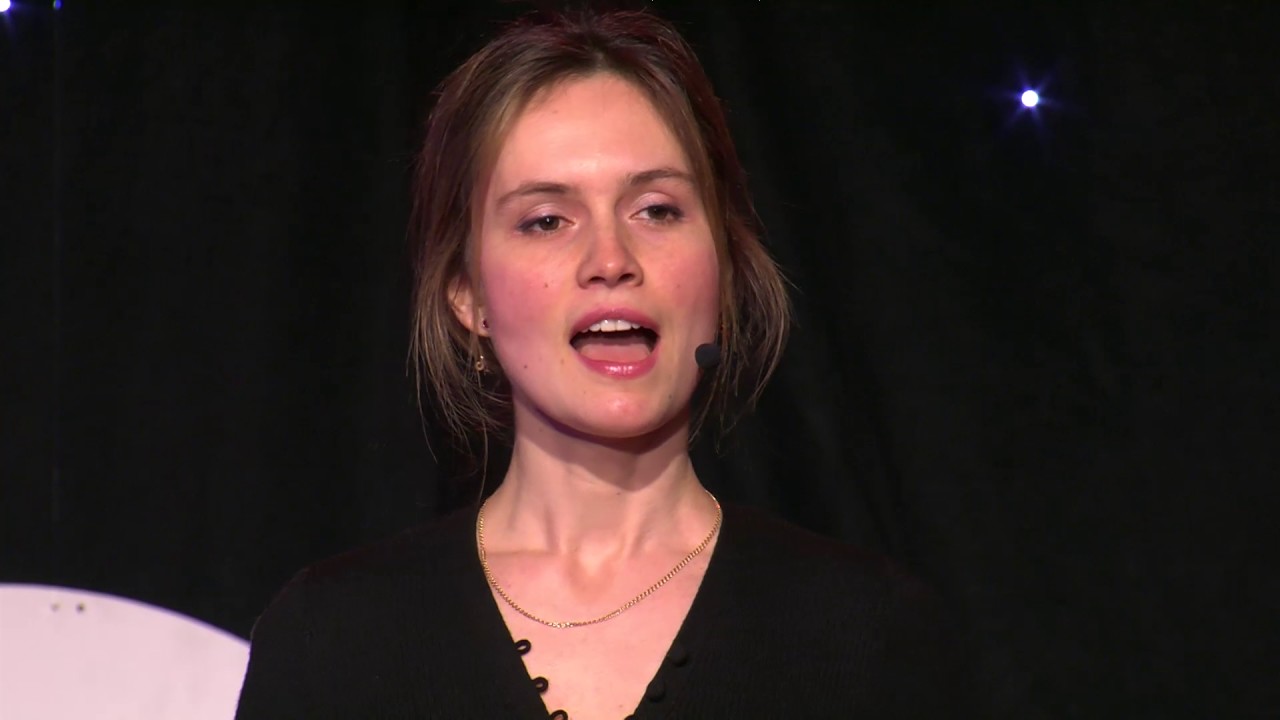
Title: How to cope with anxiety (如何应对焦虑)
Speaker: Olivia Remes
Accent: General American / International (Clear & Academic)
Duration: 15:16
🎧 语音现象标注说明 (Legend)
为了让你更直观地看到发音技巧,我使用以下符号进行标注:
| 符号/格式 | 名称 (中/英) | 发音技巧/说明 |
|---|---|---|
| 加粗 (Bold) | 重读单词 (Sentence Stress) |
发音需更响亮、更长。 |
| 斜体 (Italics) | 弱读单词 (Weak forms) |
发音要轻、快,元音常弱化为**/ə/**。 (通常涉及介词、代词) |
| ‿ | 连读 (Linking) |
前一个词的词尾与后一个词的词头滑过,声音不断开。 |
| (t) / (d) / (p) | 失爆 / 不完全爆破 (Stop sounds) |
只做口型不发声,或停顿一下,不将气流送出。 |
| /d/ | 浊化 (Flap T) |
当字母t夹在两个元音之间时,发音类似快速的 d。 |
| // | 意群停顿 (Pause) |
在此处稍微换气或做短暂亦停顿。 |
📜 语音现象标注全文 (Annotated Transcript)
(Legend Review: Bold=Stress; Italics =Weak forms; ‿=Link; (t)/(d)=Stop; /d/=Flap T; //=Pause)
Imagine // there's someone standing next ‿ to you // all the time // pointing out // every // single // thing // you're doing wrong.
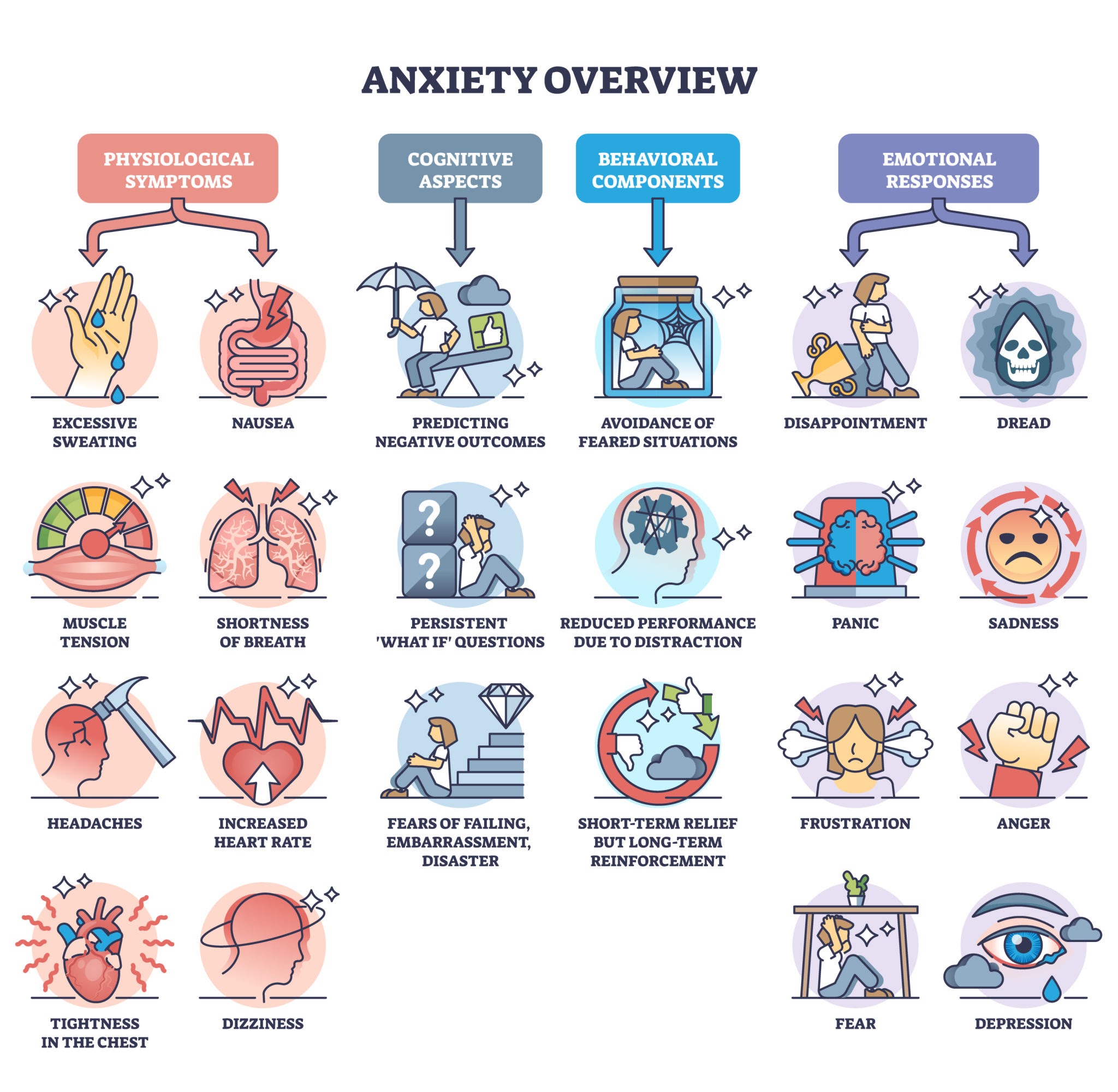
This is what millions ‿ of ‿ angxie(t)y sufferers // feel ‿ on ‿ a daily basis. // And it's awful.
Imagine // that you're getting ready // to go ‿ to ‿ a party.
You feel ‿ excited, // but also nervous.
And you've got this feeling in your stomach // almost like ‿ another heartbeat.
There's something holding you back. // Holding you back // from getting too happy.
"No, // you mustn't get too happy. // Better to be cautious, // otherwise // something bad might happen."
You start wondering, // "Who should I talk ‿ to // when I get there? // What ‿ if no one // wants to talk ‿ to me? // What ‿ if they think I'm weird?"
(what if t 浊化; talk to k 失爆)
When you ‿ arrive at the party, // someone comes up ‿ to you // and starts talking with you.
And as this is happening, // your mind starts racing. // Your heart begins pounding. // You start sweating.
And it feels almost // like you're dissocia(t)ing from yourself.
Like it's ‿ an out-of-body ‿ experience. // And you're just watching yourself talk.
(out of body t 浊化)
"Keep it ‿ together," // you say to yourself. // But you can't.
And it's just getting worse.
After ‿ a few minutes ‿ of conversation, // the person you've been speaking to // leaves. // And you feel // utterly defeated.
This has been happening to you // in social situa(t)ions // for ‿ a long time.
Or ‿ imagine // that every time you go out // and you're in crowded places, // you feel this panic // starting to ‿ arise.
When you're surrounded by lots ‿ of people, // like on ‿ a bus, // you start to feel hot, // nauseous, // uneasy.
And to prevent this from happening, // you start ‿ avoiding // a lot ‿ of places. // Which makes you feel // lonely // and isolated.
You // or the person in both ‿ of these scenarios // have ‿ angxie(t)y disorders.
(scenarios s 和 s 连接,只发一个音)
And what I can tell you // is that ‿ angxie(t)y is very common. // Much more than people think.
Right now, // one in fourteen people ‿ around the world // have ‿ an ‿ angxie(t)y disorder.
A reason // why so many people // don't think it's ‿ important // is that they don't know // what it is.
(don't know t 失爆)
Is it your personali(t)y? // Is it ‿ an illness? // Is it ‿ a normal sensation? // What is it?
That's why // it's ‿ important to differentiate // what is normal ‿ angxie(t)y // from what is ‿ an ‿ angxie(t)y disorder.
(what is t 浊化)
Normal ‿ angxie(t)y // is ‿ an ‿ emotion // that we all get // when we're in stressful situa(t)ions.
For ‿ example, // let's say you're out in the woods, // and you come face-to-face // with ‿ a bear.
This will probably make you feel // a little bit ‿ anxious. // And you'll probably want to start running // like crazy.
This anxious feeling that you get // is good. // Because it protects you. // It saves you.
But when // this ‿ angxie(t)y ‿ emotion // is taken to the ‿ extreme, // and it ‿ arises // in situa(t)ions // where there is no real danger, // that's when it becomes // a problem.
(that's when s 和 w 连读)
So, // how can we cope?
I want to share with you // coping strategies // based on work // from the Universi(t)y ‿ of Cambridge // and my own research.
The first coping strategy // is this: //
"Do it badly."
(Do it 连读 /duː-wɪt/; badly d 失爆)
Wait, // what? // "Do it badly"?
Why would I want to do it badly?
Most people // don't realize this, // but one ‿ of the biggest reasons // why we have ‿ angxie(t)y // and why we procrastinate, // is because // of perfectionism.
(realize this z 和 th 连读)
We think // we have to do something // perfectly // or we shouldn't do it // at all.
Whether it's writing // an ‿ email, // starting ‿ a project, // or even making conversation.
Think ‿ about it. // How many times // have you stopped yourself // from starting something // because you were scared // that you wouldn't do it // perfectly?
Now, // this motto // "Do it badly" // gives you the courage // to start.
You find out // that doing it badly // is actually much better // than not doing it // at all.
And the results // are often // surprisingly good.
(surprisingly s 和 g 连读)
So // if you need to write ‿ an ‿ email // to someone, // and you're stressing ‿ about it, // just tell yourself: // "I'm gonna do it badly." // And just send it.
(stressing about 连读; send it d 和 i 连读)
If you need to start // working on ‿ a project, // tell yourself: // "I'm gonna start it badly."
Often, // getting started // is the hardest part. // Once you get going, // the flow takes over.
(hardest part t 失爆; takes over s 和 o 连读)
The second coping strategy // is this: //
"Forgive yourself."
(Forgive yourself v 和 y 连读)
Imagine // you had ‿ a friend // who called you up // and said, // "Hey, // I wanted to pass this ‿ exam, // but I failed. // I feel like ‿ a loser."
Would you say to that friend: // "Yes, // you are ‿ a loser. // You're ‿ a total failure. // You should give up."
Of course not. // You wouldn't dream ‿ of speaking to ‿ a friend // in that way.
Yet, // this is the way // we speak to ourselves // when we fail.
We bera(t)e ourselves. // We criticize ourselves. // We are harsher // to ourselves // than we are // to other people.
(harsher to r 弱化,顺滑连接)
Many people think // that if they forgive themselves // when they mess up, // they'll become lazy. // Or they won't ‿ achieve their goals.
They think // they need to be hard on themselves // in order to succeed.
But research shows // the ‿ opposite is true.
People // who are kind to themselves // when they fail, // are actually more likely // to try ‿ again. // And to succeed // in the future.
So, // next time you feel anxious, // or you make ‿ a mistake, // try to speak to yourself // with the same kindness // you would show // to ‿ a friend.
(make a mistake k 和 a 连读)
The third // and final coping strategy // is to have // a purpose // and meaning // in life.
Now, // this doesn't mean // that you have to be the head // of ‿ a global corporation // or save the world.
(head of a d 和 o 连读)
Having ‿ a purpose // can be something // as simple // as doing something // for someone else.
Doing something // to make someone else's day // a little bit better.
Viktor Frankl, // ‿ a psychiatrist // and Holocaust survivor, // once said: //
"He // who has ‿ a why to live, // can bear // almost any how."
(has a s 和 a 连读 /hæ-zə/)
When we do things // for other people, // it takes the focus // off ‿ of ourselves. // Off ‿ of our own // worries // and ruminations.
And it makes us feel // connec(t)ed // to something bigger.
Studies show // that people // who have ‿ a sense ‿ of purpose // are more resilient // to stress. // And they recover // more quickly // from difficult situa(t)ions.
So, // ask yourself: //
"What can I do // today // to make someone else's life // a little bit better?"
It could be // making ‿ a cup ‿ of tea // for ‿ a colleague. // Listening to ‿ a friend. // Or volunteering.
I know // that ‿ angxie(t)y // can feel // isolating. // And it can make you feel // like you're the only one // struggling.
But you are not ‿ alone.
(not alone t 浊化)
By lowering your standards // and doing it badly, // by forgiving yourself, // and by finding purpose // in helping others, // you can build // resilience.
And you can start // to cope.
You have // so much // potential.
Don't let ‿ angxie(t)y // stop you // from living the life // you were meant to lead.
Thank you.
💡 高级词汇与地道表达 (Vocabulary & Expressions)
| 词汇/表达 | 词性 & 音标 | 释义 (English definition) |
例句 & 搭配 |
|---|---|---|---|
| Berate | [v.] /bɪˈreɪt/ | to scold or criticize (someone) angrily | *Example:*Don't berate yourself for making a mistake. **搭配:**berate someone for something. |
| Rumination | [n.] /ˌruː.məˈneɪ.ʃən/ | the process of thinking deeply about something; obsessive thinking | *Example:*Constant rumination can worsen anxiety. |
| Resilient | [adj.] /rɪˈzɪl.jənt/ | able to withstand or recover quickly from difficult conditions | *Example:*Children are often more resilient than adults. **搭配:**resilient to stress. |
| Dissociate | [v.] /dɪˈsoʊ.ʃi.eɪt/ | to disconnect or separate (used here psychologically) | *Example:*Anxiety can make you feel like you are dissociating from your body. |
| Holocaust | [n.] /ˈhɑː.lə.kɑːst/ | destruction or slaughter on a mass scale (specifically the Nazi genocide) | *Example:*Viktor Frankl was a Holocaust survivor. |
| Out-of-body | [adj. phr.] | a sensation of being outside one's own body | *Example:*He had an out-of-body experience during the accident. |
| Cope | [v.] /koʊp/ | to deal effectively with something difficult | *Example:*How do you cope with stress? **搭配:**cope with anxiety; coping mechanism. |
| Purpose | [n.] /ˈpɝː.pəs/ | the reason for which something is done or exists | *Example:*Having a sense of purpose is vital for mental health. |
| Take the focus off | [phr.] | to shift attention away from something | *Example:*Helping others takes the focus off your own problems. |
🗣️ 练习建议 (Tips)
- Dialoguing with yourself (自我对话的语调):
- 演讲中 Olivia 模拟了“朋友对话”和“自我批评”的场景。练习时要区分角色:
- Inner Critic (批评者): 语速急促,音调尖锐,重读 "loser", "failure"。
- Compassionate Self (关怀者): 语速缓慢,语调温柔,重读 "kindness", "try again"。
- 演讲中 Olivia 模拟了“朋友对话”和“自我批评”的场景。练习时要区分角色:
- Sentence Stress for Contrast (对比重音):
- 在 "He who has a why to live, can bear almost any how*"* 这句名言中,Why 和 How 是核心对比词,一定要重读且稍微延音,以突出这句哲理的分量。
- Ending with Power (有力的结尾):
- 结尾段落 "You have so much potential" 和 "meant to lead" 需要饱含鼓励的情感。Potential 和 Lead 要发得饱满、自信,给听众留下希望。