
📺 视频信息
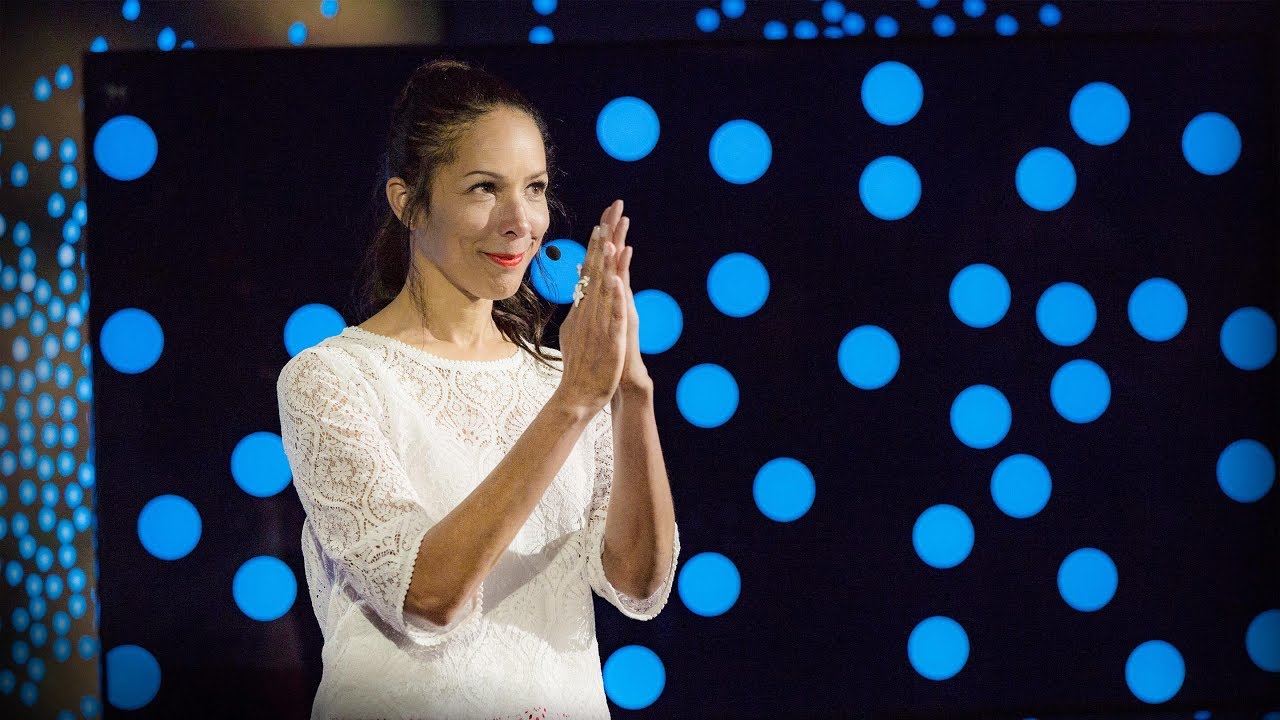
Title: Don't suffer from your depression in silence (不要独自在沉默中忍受抑郁)
Speaker: Nikki Webber Allen
Accent: General American (Emotive & Clear)
Duration: 06:35
🎧 语音现象标注说明 (Legend)
为了让你更直观地看到发音技巧,我使用以下符号进行标注:
| 符号/格式 | 名称 (中/英) | 发音技巧/说明 |
|---|---|---|
| 加粗 (Bold) | 重读单词 (Sentence Stress) |
发音需更响亮、更长。 |
| 斜体 (Italics) | 弱读单词 (Weak forms) |
发音要轻、快,元音常弱化为**/ə/**。 (通常涉及介词、代词) |
| ‿ | 连读 (Linking) |
前一个词的词尾与后一个词的词头滑过,声音不断开。 |
| (t) / (d) / (p) | 失爆 / 不完全爆破 (Stop sounds) |
只做口型不发声,或停顿一下,不将气流送出。 |
| /d/ | 浊化 (Flap T) |
当字母t夹在两个元音之间时,发音类似快速的 d。 |
| // | 意群停顿 (Pause) |
在此处稍微换气或做短暂亦停顿。 |
📜 语音现象标注全文 (Annotated Transcript) - Part 1
(Legend Review: Bold=Stress; Italics**=Weak forms; ‿=Link; (t)/(d)=Stop; /d/=Flap T; //=Pause)**
"What // are you doing // on this stage // in front ‿ of all these people?
Run. // Run now."
That's the voice // of my ‿ angxiety talking.
Even when there's absolu(t)ely nothing wrong, // I sometimes get this // overwhelming sense ‿ of doom.
Like danger is lurking // just ‿ around the corner.
(just around 这里的 t 失爆,s 与 a 连读)
You see, // a few years ‿ ago, // I was diagnosed // with generalized ‿ angxiety // and depression.
Two conditions // that often go hand in hand.
(hand in hand d 和 i 连读)
Now, // there was ‿ a time // I wouldn't ‿ have told anybo(d)y. // Especially not in front ‿ of ‿ a big ‿ audience.
(front of a 连读)
As ‿ a Black woman, // I've had to develop // extraordinary resilience // to succeed.
And like most people in my communi(t)y, // I had the mis-conception // that depression // was ‿ a sign ‿ of weakness. // A character flaw.
(sign of n 和 o 连读)
But I wasn't weak. // I was ‿ a high ‿ achiever.
I'd earned ‿ a Master's degree // in media studies // and had ‿ a string // of high profile jobs // in the film ‿ and television industries.
I'd even won two Emmy ‿ Awards // for my hard work.
(Emmy Awards y 和 A 连读)
Sure, // I was totally spent.
I lacked intrest // in things I used to ‿ enjoy. // Barely ate. // Struggled with ‿ insomnia // and felt isolated // and depleted.
But depressed? // No. // Not me.
Took weeks // before I could ‿ admit ‿ it. // But the doctor was right. // I was depressed.
Still, // I didn't tell anybody // about my diagnosis.
I was too ‿ ashamed.
I didn't think // I had the right // to be depressed.
I had ‿ a privileged life, // with ‿ a loving family // and ‿ a successful career.
And when I thought ‿ about // the unspeakable horrors // that my ancestors // had been through in this country, // so that I // could have it better, // my shame grew even deeper.
I was standing on their shoulders. // How could I let them down?
(let them t 失爆)
I would hold my head up, // put ‿ a smile on my face, // and never tell ‿ a soul.
(tell a l 和 a 连读)
On July Fourth, // two thousand thirteen, // my world came crashing in ‿ on me.
That was the day // I got ‿ a phone call from my mom.
Telling me // that my twenty-two year ‿ old nephew Paul // had ended his life // after years // of battling depression // and ‿ angxiety.
(year old r 和 o 连读)
There are no words // that can describe // the devastation I felt.
Paul ‿ and I // were very close, // but I had no ‿ idea // he was in so much pain.
(no idea 连读)
Neither one ‿ of us // had ever talked to the other // about our struggles.
The shame // and stigma // kept us both silent.
(kept us p/t 失去爆破)
Now, // my way ‿ of dealing // with adversi(t)y // is to face it head on.
So I spent the next two years // researching depression // and ‿ angxiety.
And what I found // was mind-blowing.
The World Health ‿ Organization reports // that depression // is the leading cause // of sickness // and disabili(t)y // in the world.
While the ‿ exact cause ‿ of depression // isn't clear, // research suggests // that most mental disorders develop, // at least in part, // because ‿ of ‿ a chemical ‿ imbalance // in the brain // and/or // an underlying // genetic // pre-disposition.
So you can't just // shake it off.
(shake it off 连读 /ʃeɪ-kɪ-tɔːf/)
For Black ‿ Americans, // stressors like racism // and socio-economic dispari(t)ies // put them at ‿ a twenty percent // greater risk // of developing ‿ a mental disorder.
Yet they seek mental health services // at about half the rate // of white ‿ Americans.
One reason // is the stigma.
With sixty-three percent // of Black ‿ Americans // mistaking depression // for ‿ a weakness.
(mistaking g 和 d 连读; for a 连读)
Sadly, // the suicide rate // among Black children // has doubled // in the past twenty years.
Now, // here's the good news.
Seven(t)y percent // of people struggling // with depression // will improve // with therapy, // treatment, // and medication.
Armed with this ‿ information, // I made ‿ a decision.
I wasn't going to be silent // anymore.
With my family's blessing, // I would share our story.
In hopes ‿ of sparking // a national conversation.
A friend, // Kelly Pierre-Louis said, // "Being strong // is killing us."
She's right.
We have got to retire // those tired old narra(t)ives // of the strong Black woman // and the super masculine Black man // who, // no matter how many times // they get knocked down, // just shake it off // and soldier on.
(narratives t 弱化; soldier on 连读)
Having feelings // isn't ‿ a sign ‿ of weakness.
Feelings mean // we're human.
And when we deny our humani(t)y, // it leaves us feeling empty ‿ inside.
Searching for ways // to self-medicate // in order to fill the void.
My drug // was high ‿ achievement.
These days, // I share my story // openly.
And I ask others // to share theirs too.
I believe that's what it takes // to help people // who may be suffering in silence // to know // that they are not ‿ a lone.
And to know // that with help, // they can heal.
Now, // I still have my struggles, // particularly with the ‿ angxiety.
But I am able to manage it // through daily // meditation, // yoga, // and ‿ a relatively healthy diet.
If I feel like things are starting to spiral, // I make ‿ an ‿ appointment // to see my therapist.
A dynamic Black woman // named Dawn Armstrong, // who has ‿ a great sense ‿ of humor // and ‿ a familiari(t)y // that I find comforting.
I will always regret // that I couldn't be there // for my nephew.
But my sincerest hope // is that I can ‿ inspire others // with the lesson // that I've learned.
Life // is beautiful.
Sometimes it's messy, // and it's always // unpredictable.
But it will all be O K // when you have your support system // to help you through ‿ it.
I hope // that if your burden gets too heavy, // you'll ask for ‿ a hand too.
(ask for a hand k-f-r-h 连读)
Thank you.
💡 高级词汇与地道表达 (Vocabulary & Expressions)
| 词汇/表达 | 词性 & 音标 | 释义 (English definition) |
例句 & 搭配 |
|---|---|---|---|
| Socioeconomic | [adj.] /ˌsoʊ.si.oʊˌek.əˈnɑː.mɪk/ | relating to or concerned with the interaction of social and economic factors | *Example:*Socioeconomic disparities often lead to health inequality. |
| Predisposition | [n.] /ˌpriː.dɪs.pəˈzɪʃ.ən/ | a liability or tendency to suffer from a particular condition | *Example:*A genetic predisposition to depression. |
| Stigma | [n.] /ˈstɪɡ.mə/ | a mark of disgrace associated with a particular circumstance, quality, or person | *Example:*We need to end the stigma surrounding mental illness. |
| Narrative | [n.] /ˈnær.ə.tɪv/ | a spoken or written account of connected events; a story | *Example:*Retire the old narratives of strength and silence. |
| Soldier on | [phrasal verb] | to persist or continue despite difficulties | *Example:*Despite the pain, she decided to soldier on. **搭配:**soldier on through hardship. |
| Self-medicate | [v.] /ˌselfˈmed.ə.keɪt/ | to use drugs or alcohol to deal with one's own stress or pain without medical advice | *Example:*He began to self-medicate with alcohol to numb the pain. |
| Void | [n.] /vɔɪd/ | a completely empty space; a feeling of emptiness | *Example:*Fill the void left by grief. |
| Spiral | [v.] /ˈspaɪr.əl/ | to show a continuous and dramatic increase or decrease (often negative) | *Example:*Her anxiety began to spiral out of control. **搭配:**spiral downward. |
| Familiarity | [n.] /fəˌmɪl.iˈer.ə.t̬i/ | close acquaintance with or knowledge of something | *Example:*There was a comforting familiarity in her voice. |
| Burden | [n.] /ˈbɝː.dən/ | a load, typically a heavy one; a cause of hardship | *Example:*Share your burden; don't carry it alone. |
🗣️ 练习建议 (Tips)
- Emotional Pacing & Pausing (情感节奏与停顿):
- 演讲的后半部分,Nikki 从陈述事实转为呼吁行动,语调变得更坚定、更有希望。
- 在 "Life // is beautiful." 这一句中,Life 和 beautiful 之间有一个明显的停顿,用来强调这一刻的感悟和转折。
- 在 "But my sincerest hope..." 这一段,语速可以稍微放慢,表达真诚。
- Cluster Reduction & Linking (辅音连缀与连读):
- 注意 "Ask for a hand" 的连读,k 和 f 之间不要加元音,顺滑过渡到 for,再连到 a。
- "Soldier on" 中的 /r/ 音要圆润地连到后面的 /on/。
- Key Term Stress (关键术语重读):
- 对于长难词汇如 Socioeconomic (重音在 nom) 和 Predisposition (重音在 si),要找准次重音和主重音,多练习几遍以确保发音清晰流畅。